

TP-Link Tapo C200 vs D1 Indoor Security Camera: A Comparison
When it comes to home security, choosing the right indoor camera can make all the difference. In this comparison, you’ll explore two popular options: the TP-Link Tapo C200 and the D1 Indoor Security Camera. Both cameras offer unique features and functionalities, catering to different needs and preferences. By examining their specifications, usability, and performance, you can better determine which of these cameras fits seamlessly into your home security setup.
Home Monitoring

The TP-Link Tapo C200 Security Camera offers 360° pan/tilt functionality and crystal-clear 1080p video to keep an eye on your home, pets, and kids, day or night. With features like motion detection, two-way audio, and local storage, you can easily stay connected and secure without the hassle of monthly fees.
Home Monitoring

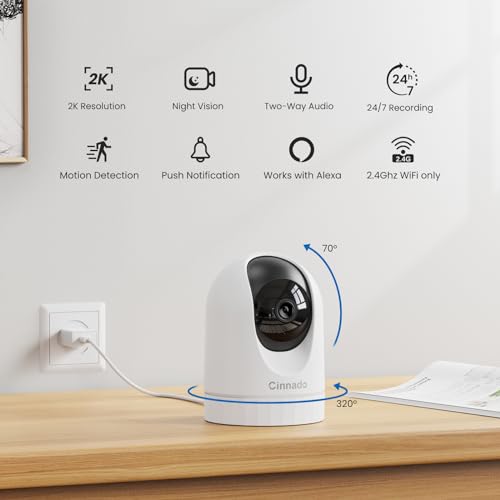
The Cinnado Indoor Security Camera offers crystal-clear 2K resolution and 360° monitoring, allowing you to keep an eye on your home, pets, or babies in real-time with features like night vision and 2-way audio. With smart motion detection, instant alerts, and convenient cloud or SD card storage, this camera easily integrates with Alexa and Google Assistant for seamless home security.
TP-Link Tapo C200
Video Resolution
1080p
Field of View
114 degrees
Night Vision Range
30 feet
Storage Options
Supports up to 128 GB Micro SD card for local storage
Audio Communication
Two-way audio for communication
D1 Indoor Security Camera
Video Resolution
2K (3 MP)
Field of View
360 degrees
Night Vision Range
Uses infrared for night monitoring but range not specified
Storage Options
Supports up to 128 GB Micro SD card and optional cloud storage
Audio Communication
Smooth two-way audio with app support
TP-Link Tapo C200
D1 Indoor Security Camera
TP-Link Tapo C200
D1 Indoor Security Camera
Feature comparison chart
Unique Selling Points (USPs)


TP-Link Tapo C200
- Affordable: A budget-friendly option for those looking for basic functionalities.
- User-Friendly App: The Tapo app is intuitive, making it easy for anyone to navigate.
- Cloud Storage Options: Offers both cloud and local storage, providing flexibility.
Security Camera Indoor-2K-D1
- Higher Resolution: Offers 2K resolution for clearer images, ideal for detailed monitoring.
- 24/7 Recording: Continuous recording feature is perfect for constant surveillance.
- Enhanced Night Vision: Improves visibility at night, making it reliable for nighttime monitoring.
Similarities

- Both cameras support Alexa and Google Home, allowing for seamless integration into smart home environments.
- They feature 2-way audio, enabling conversations through the camera.
- Both have motion detection, enhancing security by alerting users to movement.
- Each product offers pan and tilt capabilities, ensuring a broader field of view.
Pros and Cons
TP-Link Tapo C200
Pros:
- Affordable price point.
- Easy to set up and use.
- Offers both cloud and SD card options for storage.
Cons:
- Lower resolution compared to the D1.
- Fewer advanced features.
Security Camera Indoor-2K-D1
Pros:
- Superior image quality with 2K resolution.
- Continuous recording for enhanced security.
- More advanced night vision capabilities.
Cons:
- Higher price may not suit budget-conscious consumers.
- May require a bit more setup due to advanced features.
Conclusive Assessment
There is no absolute winner between the TP-Link Tapo C200 and the Security Camera Indoor-2K-D1 as each has its strengths depending on user needs:
- Choose TP-Link Tapo C200 if you’re looking for a budget-friendly option with essential features like motion detection and basic monitoring.
- Opt for the Security Camera Indoor-2K-D1 if you prioritize higher resolution and continuous recording for enhanced security.
Final Summary
In summary, both cameras serve unique purposes and excel in different areas. The TP-Link Tapo C200 is perfect for those who want an affordable and straightforward monitoring solution without compromising essential functionalities. On the other hand, the Security Camera Indoor-2K-D1 is ideal for consumers looking for advanced features and higher quality images, making it better suited for comprehensive home security. Depending on your needs, either choice will help you keep an eye on your loved ones and home effectively!
Comparing Pet Cameras: Guidelines and Key Factors
When it comes to choosing the perfect pet camera, there are several factors to consider. With many options on the market, like the TP-Link Tapo C200 and the D1 Indoor Security Camera, it’s essential to compare features effectively to find the right fit for you and your furry friend. Here’s a friendly guide to help you navigate through your choices!
1. Image Quality
- Resolution: Look for cameras with at least 1080p resolution for clear, high-quality images.
- Night Vision: A good night vision feature allows you to see your pet even in low light conditions.
- Field of View: A wider field of view means you can monitor more of the room.
2. Audio Features
- Two-Way Audio: This feature allows you to communicate with your pet. Make sure the camera has a microphone and speaker.
- Sound Quality: Check reviews to ensure the audio is clear on both ends.
3. Mobile App Integration
- User-Friendly Interface: The app should be easy to navigate, allowing you to access features quickly.
- Real-Time Notifications: Look for cameras that send alerts when motion is detected or when your pet makes a sound.
4. Storage Options
- Cloud Storage: Consider whether the camera offers cloud storage options and if it requires a subscription.
- Local Storage: Some cameras allow you to store footage on an SD card, which can be a cost-effective option.
5. Ease of Installation
- Setup Process: Check if the camera is easy to install and set up. A straightforward process can save you time and frustration.
- Placement Flexibility: Consider whether the camera can be mounted or placed on a shelf, depending on your home setup.
6. Additional Features
- Motion Tracking: Some cameras can follow your pet’s movements, providing a better view of their activities.
- Treat Dispenser: If you’re looking for extra engagement, some cameras can dispense treats.
- Integration with Smart Home Devices: Check if the camera can connect with your existing smart home ecosystem.
7. Cost vs. Value
- Price Comparison: Compare prices of similar models and what features they offer at that price point.
- Warranty and Support: Consider the warranty duration and customer service reputation of the manufacturer.


About the Author: Oliver James


news via inbox
Stay updated with the latest tips and offers. Subscribe to our newsletter today!



Both cameras seem solid, but I’m curious which one has better support for Alexa or Google Home. Anyone know?
Great question! The Tapo C200 has better integration with both Alexa and Google Home, making it a favorite for smart home users.
I have the Tapo C200 and I love it! I set it up in my living room, and I can monitor my pets when I’m not home. Super easy to use!
That’s awesome to hear! The Tapo C200 is indeed user-friendly and perfect for pet monitoring. Have you tried any of its motion detection features?
Honestly, I prefer the Tapo C200. The pan and tilt feature is a game-changer for monitoring a larger area. Anyone else agree?
I recently got the Wyze Cam v3 and it’s been great! Super clear video and I love the night vision. Anyone compared it to the Tapo C200?
I’m leaning towards the D1 Indoor Camera since I heard it has better build quality. Anyone have experience with that?
What about the Blink Indoor Camera? I’ve heard good things about it for home security. How does it stack up against these two?
The Blink Indoor Camera is definitely a strong contender! It offers similar features, but some users prefer the Tapo’s cloud storage options.
Can you guys dive deeper into the night vision capabilities? I’m curious how each camera performs in low light situations.
Absolutely! Both cameras have decent night vision, but the Tapo C200 tends to have a bit clearer image in complete darkness. We’ll add more details to that section!
I saw a review that said the D1 has a better app interface. Can anyone confirm this? I really hate clunky apps!
Good point! User experience varies, but many find the D1’s app more intuitive. It really comes down to personal preference, though.
Pricing-wise, I noticed the Tapo C200 is usually cheaper. Do you think the features justify the price difference?