
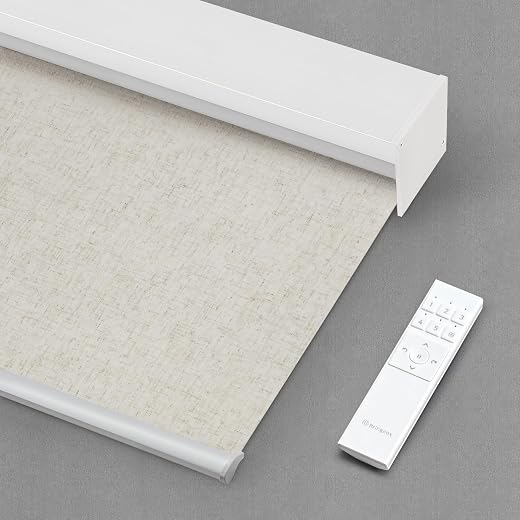
Manual vs. Automated Window Shades
When it comes to creating the perfect atmosphere in your home, window shades play a crucial role. You might be wondering whether to stick with the traditional manual options or embrace the convenience of automated shades. We understand that every homeowner wants a comfortable, energy-efficient living space, and choosing the right window treatment can make all the difference. In this post, we’ll delve into the pros and cons of manual versus automated window shades, helping you navigate your options to find the perfect fit for your lifestyle. Let’s explore what each choice has to offer so you can make an informed decision that meets your needs and enhances your home.


Understanding Manual Window Shades
When it comes to enhancing the comfort and aesthetic appeal of your space, manual window shades are a fantastic option. This section will provide you with an in-depth look at the various types of manual window shades, their operation methods, materials used, and the multitude of benefits they offer.
Types of Manual Window Shades
Manual window shades come in a variety of styles, each serving different purposes and offering unique benefits. Here are some of the most popular types:
- Roller Shades: These are perhaps the most common type of manual shades. They consist of a single piece of fabric that rolls up or down on a tube. Brands like Lutron and Levolor offer a wide range of roller shades in various colors, patterns, and opacity levels (light-filtering to blackout).
- Roman Shades: Known for their elegant design, Roman shades are made of soft fabric that folds into pleats when raised. Products like Bali Roman Shades can add a touch of sophistication to any room while providing excellent light control.
- Cellular Shades: Designed to provide insulation, cellular shades consist of honeycomb-shaped cells that trap air, helping to keep your home warm in winter and cool in summer. Pleated Shades by Blinds.com are a popular choice for their energy-saving capabilities.
- Pleated Shades: Similar to cellular shades but without the insulating properties, pleated shades are a budget-friendly option that still offers a sleek appearance. They are available through brands like Graber.
- Sheer Shades: These shades combine sheer fabric with solid fabric to allow light while providing privacy. Products like Silhouette by Hunter Douglas are great for those who want to maintain a bright, airy feel in their home.
Operation Methods
Manual window shades are operated through various methods, each tailored to the style and functionality of the shade:
- Corded Operation: Traditional method for many shades. A cord is used to raise and lower the shade. While functional, be cautious with pets and small children around these cords.
- Cordless Operation: Ideal for safety and ease of use, cordless shades are lifted and lowered by simply pushing or pulling on the bottom of the shade. Brands like Bali offer a range of cordless options that are both stylish and practical.
- Top-Down/Bottom-Up: This versatile operation allows you to lower the shade from the top or raise it from the bottom, giving you control over privacy and light. Lutron offers top-down/bottom-up options in their roller shades line.
Materials Used in Manual Shades
The materials used in manual window shades greatly influence their look, feel, and functionality. Here are some common materials:
- Fabric: Available in a myriad of textures, colors, and patterns, fabric shades can dramatically change the atmosphere of a room. Cotton, polyester, and linen are all popular choices.
- Vinyl: Known for its durability and ease of cleaning, vinyl shades are a practical choice for high-traffic areas or kitchens.
- Bamboo/Woven Wood: These natural materials add a rustic touch and can bring warmth to your space. Brands like Smith & Noble offer stunning woven wood shades.
Benefits of Manual Window Shades
Choosing manual window shades comes with a variety of benefits:
- Cost-Effective: Manual shades are generally less expensive than their motorized counterparts, making them a budget-friendly option.
- Aesthetic Flexibility: With so many styles and materials available, manual shades can complement virtually any interior design scheme. From modern to traditional, there’s a shade to match your style.
- Ease of Installation: Many manual shades come with easy-to-follow instructions and can often be installed without professional help. For example, Blinds.com offers a range of shades with straightforward installation guides.
- Low Maintenance: Manual shades require minimal upkeep. Most can be easily cleaned with a damp cloth or vacuumed, and fabric shades often come with removable covers for washing.
- Durability: Manual shades typically have a longer lifespan than motorized versions due to fewer mechanical parts that can fail.
Comparison Table of Manual Window Shade Types
| Shade Type | Operation Method | Material Options | Key Benefits |
|---|---|---|---|
| Roller Shades | Corded/Cordless | Fabric | Versatile & space-saving |
| Roman Shades | Corded/Cordless | Fabric | Stylish with excellent light control |
| Cellular Shades | Corded/Cordless | Fabric | Energy-efficient & insulating |
| Pleated Shades | Corded/Cordless | Fabric | Budget-friendly & sleek design |
| Sheer Shades | Corded/Cordless | Fabric | Light-filtering while maintaining privacy |
In summary, exploring manual window shades can open up a world of possibilities for both functionality and style in your home. With a variety of types, materials, and operation methods, you can easily find the perfect fit for your space. Whether you prioritize aesthetics, ease of installation, or cost, manual window shades offer something for everyone!
Exploring Automated Window Shades
Automated window shades have become a favorite among homeowners looking to enhance their living spaces with convenient and innovative solutions. Here, we’ll explore how these shades work, the different types available, and the myriad benefits they bring to your home.
How Automated Window Shades Work
Automated window shades function through a series of motorized mechanisms that allow them to be opened or closed with ease. These shades are typically integrated with smart home systems, enabling control through various devices such as smartphones, tablets, or voice-activated assistants. Here’s a brief overview of how they operate:
- Motorized Mechanisms: Many automated shades utilize motorized systems that can be powered by batteries or hardwired to your home’s electrical system. Brands like Lutron Serena offer both options to cater to different needs.
- Remote Control: Most automated shades come with a dedicated remote control, allowing you to operate them from anywhere in the room. For example, the IKEA FYRTUR shades include a sleek remote that makes it easy to adjust your shades without any hassle.
- Smartphone Integration: With brands like Smith & Noble and their Smart Shades, you can manage your window coverings right from your smartphone using an app. This provides flexibility to control your shades even when you’re not at home.
Types of Automated Window Shades
When it comes to choosing automated window shades, there are several types available, each with unique features:
1. Roller Shades
- Description: Roller shades are a popular choice for their minimalist design and functionality. They can be completely raised or lowered to allow for varying light levels.
- Example Product: Lutron Serena Roller Shades offer customizable fabric options and can be integrated into your existing smart home system.
2. Roman Shades
- Description: Roman shades provide a classic look and are made of fabric that folds up neatly when raised. They add an elegant touch to any room.
- Example Product: Smith & Noble Custom Roman Shades provide a variety of fabrics and colors and can be motorized for convenience.
3. Cellular Shades
- Description: Cellular shades are designed with honeycomb-shaped cells that trap air, providing excellent insulation. They are great for energy efficiency.
- Example Product: Bali Cellular Shades come with a wide range of light-filtering options and smart control features.
4. Sheer Shades
- Description: These shades combine the functionality of blinds and shades, allowing you to control light and privacy simultaneously.
- Example Product: Hunter Douglas Silhouette Shades offer a unique design that lets you adjust the fabric vanes for light control and privacy.
Benefits of Automated Window Shades
Investing in automated window shades comes with a host of benefits that enhance both your lifestyle and home efficiency. Here are some key advantages:
Convenience
- Easy Operation: No more tangled cords or reaching awkwardly for hard-to-reach windows. With a simple press of a button, you can control your shades.
- Scheduled Settings: Many automated shades allow you to set schedules. For example, you can program your Lutron Serena shades to open at sunrise and close at sunset, maximizing natural light during the day.
Energy Efficiency
- Temperature Control: Automated shades can help regulate your home’s temperature by blocking out heat in the summer and retaining warmth during the winter. This can significantly reduce your energy bills.
- Smart Home Integration: When connected to smart home systems like Google Home or Amazon Alexa, you can set your shades to adjust based on the time of day or the weather forecast.
Security
- Enhanced Privacy: Automated shades can be programmed to open and close at specific times, giving the appearance that someone is home even when you are away.
- Smart Features: Brands like Lutron and Hunter Douglas offer shades that can be integrated with security systems, allowing you to manage your window coverings alongside your home’s security features.
Comparison Table of Popular Automated Window Shades
| Brand/Model | Type | Control | Energy Efficiency | Price Range |
|---|---|---|---|---|
| Lutron Serena | Roller Shades | Remote/Smart | High | $200 – $700 |
| Smith & Noble Roman Shades | Roman Shades | Remote/Smart | Moderate | $250 – $800 |
| Bali Cellular Shades | Cellular Shades | Remote/Smart | High | $150 – $600 |
| Hunter Douglas Silhouette | Sheer Shades | Remote/Smart | Moderate | $300 – $900 |
| IKEA FYRTUR | Roller Shades | Remote | Moderate | $100 – $250 |
Automated window shades seamlessly blend technology with home decor, making them a smart choice for modern living. Whether you’re looking for energy efficiency, enhanced security, or simply the convenience of automated control, there’s a solution that fits your needs perfectly!
Choosing the Right Option for Your Home
In conclusion, choosing between manual and automated window shades ultimately boils down to your personal preferences and lifestyle needs. We’ve explored the benefits of each option, highlighting the convenience and technological advantages of automation against the simplicity and cost-effectiveness of manual shades. Remember to weigh factors like installation, maintenance, and your budget as you make your decision. By assessing your unique situation, you’ll find the perfect window treatment that enhances your home while fitting seamlessly into your life. Happy shading!


About the Author: Oliver James


news via inbox
Stay updated with the latest tips and offers. Subscribe to our newsletter today!


I think the pricing for automated shades can be a major pain point. Sometimes they’re just so pricey compared to manual ones. Is it worth the investment?
That’s a valid concern! While the initial cost is higher for automated shades, many people find the convenience and energy savings justify the price over time. It really depends on your lifestyle!
I’d love to see a comparison of different brands of automated shades. Are there specific ones you recommend? I’ve heard good things about Lutron and IKEA’s FYRTUR.
Great suggestion! Lutron does have a solid reputation for reliability, and IKEA’s FYRTUR is budget-friendly. I’ll definitely consider doing a brand comparison in the future!
Thanks for reading! The biggest advantage of automated shades is convenience. You can control them with your smartphone or set timers. But I’ve heard some folks have issues with connectivity. It really depends on the brand you choose!
I found manual shades easier to clean and maintain. With automated ones, I’m worried about repairs. How do you handle that?
Great article! I’ve been using manual shades for years, but I’m seriously considering switching to automated ones. What do you think is the biggest advantage of automated shades? Anyone had a bad experience with them?
Has anyone experienced issues with battery life in automated shades? I’ve read some reviews that said they drain pretty quickly. Would love to hear more!
Battery life can definitely be a concern! It varies by brand, but I’ve seen some users recommend rechargeable options. Just be sure to check the specifications before you buy!
You raise a good point! Maintenance can be tricky. I’d suggest checking the warranty before purchasing. Some brands offer great support, which can make repairs easier!
I recently installed some automated shades in my living room, and they’re a game changer! I love the remote control feature but wish they had better integration with my smart home system.
That’s awesome to hear! Smart home integration can be hit or miss. Some brands work better with certain systems. Have you tried using a hub like SmartThings for better compatibility?
Anyone have recommendations for good resources on window shade installation? I’m feeling a bit overwhelmed with options.
Absolutely! You can check YouTube for DIY installation videos, and many brands have detailed guides on their websites. It can definitely make the process smoother!