
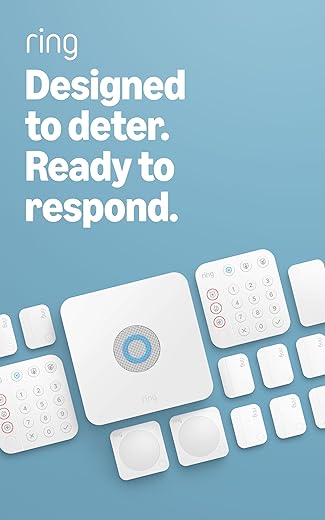
Home Automation Security Systems
As a homeowner, I know how important it is to feel safe and secure in my own space. With the rise of home automation, we now have the opportunity to take our security to the next level, blending convenience with protection. In this blog post, I’ll explore the world of home automation security systems—what they are, how they work, and the many benefits they offer. Whether you’re just starting to consider enhancing your home’s security or looking to upgrade your existing system, I’m here to help you navigate the options and empower you to make informed choices for your home and family. Let’s dive in together!
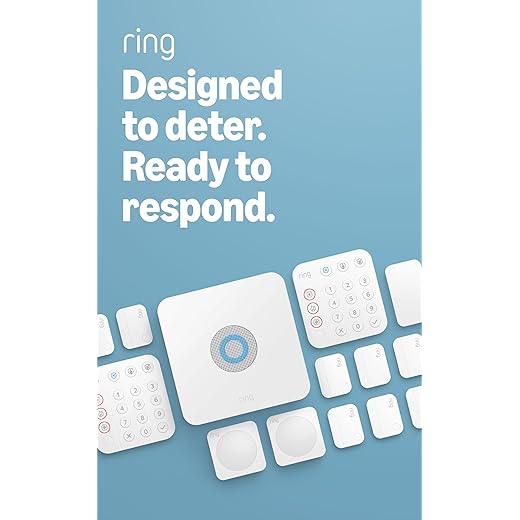


2025’s Ultimate Home Security System Guide
Understanding Home Automation Security Systems
Home automation security systems are revolutionizing the way we protect our homes. By integrating cutting-edge technology with traditional security measures, these systems offer enhanced safety, convenience, and peace of mind for homeowners. Let’s dive deeper into what these systems entail, how they work alongside existing home automation technologies, and the features that set them apart from conventional security systems.
What Are Home Automation Security Systems?
Home automation security systems are smart systems designed to monitor, protect, and manage your home’s security through advanced technology. Unlike traditional security systems that rely on standalone devices, home automation security systems integrate seamlessly with various smart home devices, such as cameras, motion sensors, smart locks, and alarms.
Key Components of Home Automation Security Systems:
- Smart Cameras: Devices like the Ring Video Doorbell Pro allow you to see and communicate with anyone at your door using your smartphone, even when you’re not home.
- Smart Locks: Products like the August Smart Lock Pro enable keyless entry and provide remote locking and unlocking capabilities.
- Motion Sensors: Devices such as the Philips Hue Motion Sensor can trigger lights or send alerts when movement is detected.
- Smart Alarms: Systems like the Nest Secure Alarm System provide an all-in-one solution for home monitoring and alerting.
Integration with Existing Home Automation Technologies
One of the significant advantages of home automation security systems is their ability to integrate with other smart home technologies. This interconnectedness allows for streamlined control and monitoring, enhancing overall security.
How Integration Works:
- Centralized Control: Many systems can be controlled via a single app, such as the Google Home or Amazon Alexa app, allowing you to manage your home’s security alongside lighting, temperature, and other smart devices.
- Automations and Routines: You can create routines that enhance security; for example, setting your lights to turn on when your security cameras detect movement, or locking all doors when you leave the house.
- Alerts and Notifications: Receive instant alerts on your smartphone if a security breach occurs, ensuring you’re always informed about your home’s safety.
Key Features Distinguishing Home Automation Security Systems from Traditional Security Systems
Home automation security systems come packed with features that traditional systems often lack. These innovations provide users with enhanced functionality, convenience, and peace of mind.
Comparison Table: Home Automation vs. Traditional Security Systems
| Feature | Home Automation Security Systems | Traditional Security Systems |
|---|---|---|
| Remote Access | Yes (via smartphone apps) | Limited (usually requires a landline) |
| Integration with Smart Devices | Yes | No |
| Custom Notifications | Yes | Basic alerts only |
| 24/7 Monitoring | Yes (subscription-based) | Yes (usually via a monitoring service) |
| Smart Automation Capabilities | Yes | No |
| Professional Installation | Optional | Typically required |
Evolution of Security Systems in the Context of Home Automation
The evolution of security systems has been significantly influenced by the rise of home automation. In the past, security systems largely relied on physical barriers and basic alarm systems. Over the years, advancements in technology have led to the development of smart security solutions that provide greater flexibility, responsiveness, and user control.
Notable Milestones:
- Introduction of Smart Sensors: The first smart sensors, like those from Nest and Ecobee, allowed for real-time monitoring and alerts, paving the way for more advanced security solutions.
- Rise of Smart Cameras: Brands like Arlo and Ring popularized smart cameras, enabling homeowners to monitor their properties from anywhere.
- Voice Control Integration: The addition of voice control through platforms like Amazon Alexa and Google Assistant has made managing home security more accessible and user-friendly.
With these advancements, homeowners can now enjoy a level of security that adapts to their lifestyle, providing not only safety but also convenience.
Benefits of Home Automation Security Systems
Home automation security systems have gained immense popularity in recent years, and for good reason! These systems not only provide peace of mind but also enhance your lifestyle. Let’s explore some of the key benefits that make them a worthwhile investment.
Increased Convenience
One of the most significant advantages of home automation security systems is the convenience they offer. Imagine being able to control your home’s security features from the palm of your hand!
- Smart Locks: Products like the August Smart Lock allow you to lock and unlock your door remotely. You can grant access to guests or service providers even when you’re not home, ensuring that you never miss an important delivery or visitor.
- Automated Lighting: Systems such as the Philips Hue smart bulbs can be programmed to turn on or off automatically based on your schedule. This not only enhances security by making it look like someone is home but also eliminates the hassle of fumbling for light switches in the dark.
Remote Monitoring
With home automation systems, you can monitor your home in real-time, no matter where you are.
- Security Cameras: Brands like Ring and Arlo offer high-definition security cameras that allow you to view live feeds from your smartphone. You can easily check in on your property, ensuring everything is as it should be.
- Alerts and Notifications: Many systems send instant alerts to your phone if they detect unusual activity. For example, the Nest Aware subscription service provides intelligent alerts that let you know if someone is loitering on your property. This means you can respond quickly if there’s a potential security threat.
Energy Efficiency
Home automation security systems can also contribute to energy efficiency, leading to cost savings on your utility bills.
- Smart Thermostats: Devices like the Ecobee SmartThermostat can learn your schedule and optimize heating and cooling based on when you’re home or away. This not only keeps your home comfortable but can also help you save up to 23% on heating and cooling bills, according to the U.S. Department of Energy.
- Automated Shades and Blinds: Products like the Lutron Serena smart shades can be programmed to open and close according to the time of day, maximizing natural light when you’re home and minimizing energy use when you’re not.
Enhanced Security Features
Home automation security systems often come with a host of advanced features that significantly enhance your home’s security.
- Integrated Alarm Systems: Devices such as the SimpliSafe home security system offer comprehensive protection with built-in motion detectors and door/window sensors. You can customize alerts based on your preferences, ensuring that you receive notifications tailored to your needs.
- Video Doorbells: The Nest Hello or Ring Video Doorbell allow you to see who’s at your door before answering, providing an extra layer of security. You can communicate with visitors through two-way audio, even when you’re not at home.
Key Benefits Comparison Table
| Feature | Smart Lock (August) | Security Camera (Ring) | Smart Thermostat (Ecobee) | Video Doorbell (Nest Hello) |
|---|---|---|---|---|
| Remote Access | Yes | Yes | Yes | Yes |
| Alerts | Yes | Yes | No | Yes |
| Energy Efficiency | No | No | Yes | No |
| Two-Way Communication | No | No | No | Yes |
| Custom Scheduling | Yes | No | Yes | No |
By integrating these products into your home, you not only enhance your security but also streamline your daily routines. Whether you’re looking for convenience, peace of mind, or energy savings, home automation security systems offer a plethora of benefits that truly enhance your living experience.
Components of Home Automation Security Systems
Home automation security systems are designed to enhance the safety and security of your living space. They offer convenience through smart technology and the peace of mind that comes with knowing your home is protected. Below, we break down essential components of these systems, highlighting their functionality and how they integrate with other devices.
Smart Cameras
Smart cameras are a cornerstone of any home automation security system. They allow homeowners to monitor their property in real-time and record footage for later review. Here are some popular options:
- Ring Spotlight Cam: This camera provides HD video, two-way talk, and built-in spotlights. It can be integrated with other Ring products and Alexa, allowing you to view camera feeds on your Echo Show.
- Nest Cam IQ Outdoor: With facial recognition technology, this camera can distinguish between familiar faces and strangers. It integrates seamlessly with Google Assistant and other Nest devices.
Key Features:
- HD Video: High-definition video provides clear visuals.
- Two-Way Audio: Talk to visitors or intruders through your smartphone.
- Cloud Storage: Access recorded footage from anywhere.
Motion Detectors
Motion detectors play an essential role in alerting homeowners to unusual activity. They can be standalone devices or integrated with security cameras and alarms. Consider these options:
- Philips Hue Motion Sensor: This sensor not only detects motion but also integrates with the Philips Hue smart lighting system to automatically turn on lights when you enter a room.
- Arlo Motion Sensor: Works with Arlo security cameras to trigger recording when movement is detected.
Benefits:
- Instant Alerts: Receive notifications on your smartphone when motion is detected.
- Energy Savings: Trigger light systems only when needed to save energy.
Smart Locks
Smart locks enhance the security of your home by allowing you to control access remotely. You can lock or unlock your doors from anywhere, and some models even offer temporary access codes for guests. Popular smart locks include:
- August Smart Lock Pro: This lock can be retrofitted onto your existing deadbolt, allowing you to keep your current keys. It integrates with Amazon Alexa, Google Assistant, and Apple HomeKit.
- Schlage Encode: A built-in Wi-Fi connection means you don’t need a hub to manage it. You can create and manage access codes through the Schlage app, and it works with Amazon Alexa.
Advantages:
- Keyless Entry: No need to carry physical keys.
- Remote Locking/Unlocking: Control access from anywhere.
Alarms
Alarms are a vital component of any security system. They serve as a deterrent to intruders and can alert you and the authorities if a breach occurs. Consider these trusted alarm systems:
- SimpliSafe Home Security System: Offers customizable options including entry sensors, motion detectors, and 24/7 monitoring. You can control it all through a smartphone app.
- ADT Command: Provides professional monitoring and integrates with various smart home devices for a comprehensive security solution.
Features:
- 24/7 Monitoring: Always on service to alert authorities in emergencies.
- Customizable Alerts: Set preferences for notifications based on your needs.
Sensors
Various sensors can enhance your home automation security system by monitoring environmental changes, detecting forced entry, or alerting you to unexpected situations. Here are a few important types:
- Glass Break Sensors: These sensors can detect the sound of glass breaking, triggering an alarm—an essential feature for homes with large windows.
- Smoke and Carbon Monoxide Detectors: Devices like the Nest Protect not only alert you to smoke or CO but also integrate with your other smart home devices, turning on lights and unlocking doors in emergencies.
Important Points:
- Comprehensive Coverage: Use a combination of sensors for complete protection.
- Integration with Other Systems: Ensure sensors work with your home automation platforms for seamless operation.
Integration Possibilities
A major advantage of home automation security systems is their ability to integrate with various devices and platforms. Here are some popular integrations:
- IFTTT (If This, Then That): This service allows you to create custom automation workflows. For example, if your Ring camera detects motion, it can trigger your Philips Hue lights to flash.
- Smart Hubs: Devices like Samsung SmartThings or Amazon Echo Plus can serve as central control points for your home security system, allowing for easier management of multiple devices.
Compatibility:
- Ensure devices are compatible with your chosen smart home ecosystem (Google Home, Amazon Alexa, Apple HomeKit) for seamless integration.
By understanding each component of a home automation security system, you’re better equipped to choose the right products that suit your lifestyle and enhance the safety of your home. With the right combination of smart cameras, motion detectors, smart locks, alarms, and sensors, you can create a robust security system that works for you.
Ensuring Peace of Mind in a Smart Home Era
In conclusion, home automation security systems play a vital role in boosting both the safety and convenience of our living spaces. By integrating technology into our security measures, we can enjoy peace of mind while simplifying our daily routines. As we’ve discussed, it’s essential to find a system that not only meets your security needs but also fits your budget and is user-friendly. I encourage you to take the time to explore your options and invest in a home automation security system that works for you. After all, enhancing your home’s security shouldn’t feel overwhelming—it should empower you to live more freely and confidently.
Also Read: How Long Do Security Camera Footage Records Last?


About the Author: Oliver James


news via inbox
Stay updated with the latest tips and offers. Subscribe to our newsletter today!




Maybe you could write about the future of home automation? I’m curious about where the technology is heading!
That’s a fantastic idea! The future is definitely exciting with advancements in AI and machine learning. I’ll consider it for the next piece. Thanks for the suggestion!
I just installed a Ring Video Doorbell, and it’s been a game-changer. I can see who’s at my door without getting up! Anyone else have tips for maximizing security with home automation?
Awesome to hear! Integrating devices like smart locks or motion sensors with your Ring can really enhance your home security. Don’t forget to check the settings for alerts too!
That’s a valid concern! Privacy is definitely a hot topic in home automation. It’s important to choose systems from reputable brands that prioritize security and data protection. Always read the privacy policy before buying!
I love the idea of smart lighting tied to security, but I feel like it can get pretty pricey! Any budget-friendly options?
For sure! Philips Hue offers some great deals, and you can start small! Also, look into Wyze bulbs—they’re super affordable and still offer smart features.
I find it kinda creepy that everything in my house could be monitored. What do you think about privacy concerns with these automation systems?
I read somewhere that smart homes can be hacked easily. Is there a way to protect these systems from cyber threats?
Great point! Always change default passwords, use two-factor authentication, and keep your software updated. Investing in a good router with strong security features can also help.
Could you dive deeper into the costs involved? Like installation fees and ongoing subscription costs for monitoring services?
Absolutely! Costs can vary widely. Some systems like SimpliSafe offer affordable packages, while others like ADT might have higher upfront costs. Always check for monthly fees and contract terms!
I noticed some systems have really limited compatibility with other devices. Any suggestions on which brands play nice together?
Definitely! Look for ecosystems like Google Nest or Amazon Alexa, as they tend to have broader compatibility. Z-Wave and Zigbee devices also work well with many systems!