
Enhancing Home Security with Motion Sensor Alarms: A Comprehensive Guide
Introduction to Motion Sensor Alarms
Motion sensor alarms have become a vital component of home security systems in recent years. These devices function by detecting movement within a designated area, triggering an alarm when they identify any unusual activity. Typically, motion sensors use infrared technology to sense heat emitted by objects, including humans and pets, making them an efficient means of securing homes. As families increasingly prioritize safety, the adoption of motion sensor alarms has seen a notable rise, especially in conjunction with other smart home technologies.
One of the key advantages of motion sensor alarms is their ability to provide real-time alerts, enabling homeowners to respond promptly to potential threats. When the sensor is activated, it can sound an alarm, send notifications to the homeowner’s smartphone, or even alert monitoring services, all of which contribute significantly to a proactive approach to security. This immediate responsiveness is particularly crucial in deterring intruders, thereby fostering a safer living environment.
In the context of modern security solutions, motion sensor alarms represent a critical element in smart security systems. They seamlessly integrate with other devices, such as cameras and smart locks, offering comprehensive surveillance and control over one’s property. This interconnectedness supports the trend of automating home safety features, providing homeowners with an intuitive and user-friendly security experience. Furthermore, many of these systems can be easily monitored and adjusted through mobile applications, allowing for enhanced convenience.
As technology continues to advance, the evolution of motion sensor alarms will likely lead to even more sophisticated features, including improved detection capabilities and enhanced integration with artificial intelligence. The significance of these devices cannot be overstated, as they play an instrumental role in shaping the future of home security, ensuring that residents feel safe and protected within their living spaces.


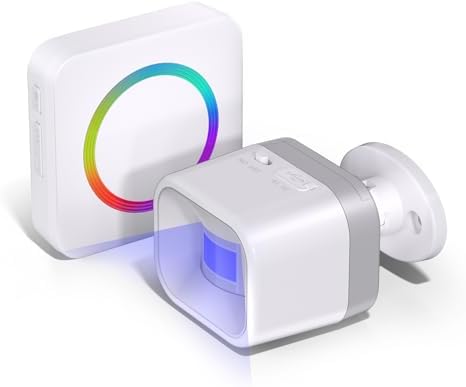


Key Benefits of Using Motion Sensor Alarms
Incorporating motion sensor alarms into home security systems offers several key benefits that significantly enhance the safety and security of residential properties. One of the foremost advantages is improved safety; these devices actively monitor for movement within designated areas, providing alerts when unexpected activity is detected. This capability allows homeowners to respond swiftly to potential intruders, thereby reducing the likelihood of break-ins.
Cost-effectiveness is another benefit associated with motion sensor alarms. These systems not only discourage criminal activity but can also lead to reductions in homeowner’s insurance premiums, as many insurers offer discounts for homes equipped with advanced security measures. By investing in this technology, homeowners can often recoup their initial expenses over time through savings on insurance and the prevention of losses associated with theft.
Additionally, motion sensor alarms support remote monitoring capabilities, which is increasingly important in today’s digital age. Homeowners can connect these alarms to their smartphones or other devices, allowing them to receive instant notifications regarding any detected motion, no matter where they are. This feature enhances peace of mind, as individuals can monitor their property in real-time and take appropriate action if necessary.
Moreover, the convenience of receiving real-time alerts on devices further adds to the appeal of motion sensor alarms. Users are not only informed about potential security breaches but can also adjust their home’s settings remotely, ensuring their property remains secure at all times. This feature is particularly beneficial for those who travel frequently or have multiple residences. By integrating these devices into home security systems, individuals can significantly enhance the overall safety and efficiency of their living environments.



How Motion Sensor Alarms Work
Motion sensor alarms have become increasingly popular as essential tools for enhancing home security. Their efficacy is largely derived from the technology that underpins their operation. At the core of most motion sensor alarms lies the Passive Infrared (PIR) sensor, which detects infrared radiation emitted by objects in its vicinity, particularly warm bodies. When a person moves within the sensor’s range, the PIR detects the change in infrared levels and triggers the alarm.
Beyond PIR sensors, there are other types of motion sensors, including microwave and dual-technology sensors. Microwave sensors emit microwave pulses and measure their reflection from moving objects. This method allows for detection through obstacles, making them ideal for diverse environmental conditions. Dual-technology sensors combine both PIR and microwave technologies to mitigate false alarms usually prompted by pets or small animals. By requiring confirmation from both sensors before triggering an alert, these devices provide a refined approach to security.
The alert system associated with a motion sensor alarm is also critical to its functionality. Most systems will issue an audible alarm when motion is detected. Additionally, many modern alarms integrate with home automation systems, allowing homeowners to receive instant notifications via mobile devices, effectively providing real-time updates. This integration enhances the security framework by enabling users to monitor their property remotely.
Incorporating motion sensor alarms into a home security strategy not only adds a layer of protection against intruders but also enhances overall peace of mind. The technological advancements in motion detection continue to evolve, making these devices more reliable and efficient. As such, understanding how these alarms work is essential for selecting the right system and optimizing home security effectively.
Top Use Cases for Motion Sensor Alarms
Motion sensor alarms have become an essential component in modern security systems, offering a range of practical applications for both residential and commercial spaces. One of the most common uses of motion sensor alarms is securing entry points, such as doors and windows. By placing these alarms strategically, homeowners can receive instant notifications when there is any unauthorized movement, enhancing their home security significantly. These alarms can deter potential intruders, providing peace of mind to residents.
Another notable application is monitoring driveways and garages. Installing motion sensor alarms in these areas allows homeowners to be alerted to approaching vehicles or people, which can be particularly beneficial for those who live in remote or secluded areas. Moreover, the floodlight feature that often accompanies these sensors can illuminate the space, further deterring any illicit activities during nighttime hours.
For those who own vacation homes, motion sensor alarms can serve as a robust security measure. Given that such properties are often unoccupied, installing motion sensors can help monitor for any unexpected visitors or break-ins, quickly notifying the owner if any unusual activity occurs. This proactive approach ensures the safety of valuable assets even when the owner is miles away.
In commercial spaces, motion sensor alarms offer yet another layer of safety. Businesses can benefit from deploying these devices to protect sensitive areas, such as stockrooms or offices post-working hours. Additionally, using motion sensors in common areas can improve employee safety by ensuring that any unusual presence is instantly detected. Overall, the versatility of motion sensor alarms makes them a go-to solution for a wide array of security needs, providing enhanced protection for homes, vacation properties, and businesses alike.
Real-Life Examples of Enhanced Security
Motion sensor alarms have become an integral component of modern security systems, offering not only peace of mind but also tangible results in real-world scenarios. One such example comes from a suburban neighborhood where a family experienced a series of break-ins. After installing a motion sensor alarm system, they noticed an immediate change. The alarm not only deterred potential intruders but also provided them with real-time alerts when movements were detected around their property. This allowed them to alert authorities swiftly, leading to the apprehension of an individual involved in local thefts.
Another noteworthy case took place in a small business that had consistently faced issues with vandalism and theft. After consulting with security professionals, the owner opted to implement a robust motion sensor alarm system. The installation included strategically placed sensors that covered access points as well as less-visible areas around the premises. Following the installation, the business witnessed a dramatic drop in incidents. The owner reported that the mere presence of the system acted as a deterrent, and whenever sensors were triggered, immediate video footage was captured, enhancing response times to any threats.
In an urban setting, a community group decided to collectively invest in motion sensor alarms for common areas, such as parking lots and playgrounds. This cooperative effort led to an increase in safety perception among residents, encouraging more families to enjoy these spaces without hesitation. By comparing crime statistics before and after the installation, they acknowledged a significant decrease in vandalism and petty theft, contributing to a safer community atmosphere.
These examples underscore the effectiveness of motion sensor alarms in both residential and commercial environments. Their ability to detect movement and send alerts not only enhances security but also promotes a proactive approach to safety. With diverse applications, the benefits of motion sensor alarms extend beyond simple noise or light systems; they form a critical part of an effective security strategy.
Considerations When Choosing a Motion Sensor Alarm
Selecting the right motion sensor alarm system for your home involves several critical factors that can significantly influence its overall effectiveness. One of the primary considerations is the detection range of the motion sensor. This refers to the area within which the alarm can accurately detect movement. Depending on the layout of your property, a sensor with a wider detection range may be necessary to cover all vulnerable areas, including entrances and windows. Check the specifications carefully to ensure that the range meets your specific needs.
Another important aspect is the sensitivity settings of the sensor. Various models offer adjustable sensitivity levels, which is crucial for minimizing false alarms caused by pets or minor disturbances such as moving branches. Choosing a model that allows you to customize these settings will help ensure that the alarm is reactive enough to trigger on genuine intrusions without being overly sensitive.
Compatibility with other security devices is also vital. Many homeowners opt for integrated security systems that include cameras, alarms, and smart home devices. When selecting a motion sensor alarm, ensure it can work seamlessly with your existing devices. This includes considering whether it is compatible with systems such as smart doorbells or outdoor cameras, as integration can enhance your overall security measures.
Lastly, user-friendliness cannot be overlooked. An ideal motion sensor alarm should be easy to operate and manage. Look for systems with intuitive controls and user-friendly apps that let you monitor your home remotely. Features like notifications and real-time alerts are valuable in helping you stay informed of any potential security breaches. By keeping these considerations in mind, you can select a motion sensor alarm that fits your home’s specific security requirements effectively.
Buying Guide for Motion Sensor Alarms
When it comes to enhancing home security, selecting the right motion sensor alarm is crucial. These devices have become increasingly popular due to their effectiveness in detecting unauthorized movements around the home. To navigate the process of purchasing a reliable motion sensor alarm, it is essential to consider several key factors.
First and foremost, the placement of the motion sensor is critical. Many alarms are designed to detect movement within specific ranges and angles. Hence, it’s advisable to evaluate the areas you want to monitor. Indoor motion sensors can be quite different from outdoor models, which should be resistant to weather conditions and have a wider detection range. Assessing the purpose of the alarm will guide you in making an informed decision regarding placement and functionality.
Additionally, consider the key features of the motion sensor alarms. Look for options that include adjustable sensitivity settings. This feature allows users to tailor the device’s sensitivity to minimize false alarms caused by pets or other household movements. Some advanced models come equipped with built-in cameras, offering visual verification alongside alerts, enhancing your overall security. Connectivity is another aspect; choose alarms compatible with smart home systems for additional control and convenience.
When purchasing, Amazon stands out as a vital resource for accessing top-rated motion sensor alarms. This platform not only provides a vast array of choices but also offers customer reviews that can influence your decision-making process. Reading these testimonials can shed light on the reliability and performance of specific models. Searching through various sellers may also reveal competitive pricing and discounts, ensuring you acquire the best value for your investment.
By considering placement, features, and purchasing options, you can confidently select a motion sensor alarm that meets your security needs effectively.
Maintaining and Upgrading Your Home Alarm System
To ensure that motion sensor alarms remain effective in enhancing home security, regular maintenance is imperative. Routine checks should be conducted to ensure that the sensors are clean and unobstructed. Dust, debris, and even natural elements such as cobwebs can hinder the sensor’s ability to detect movement accurately. A simple monthly cleaning with a soft cloth can significantly improve performance and longevity. It is also crucial to monitor the battery life of your motion sensor alarms, as depleted batteries can lead to malfunction or reduced sensitivity.
Additionally, it is advisable to conduct periodic tests of the system. This includes checking the sensor’s range, the response time, and the connectivity to any associated monitoring systems. A well-maintained alarm system provides peace of mind; ensuring that each component is functioning optimally can prevent false alarms and missed detection of suspicious activity.
As technology continues to evolve, upgrading your home alarm system can significantly enhance both security and user experience. Motion sensor alarms can be integrated with smart home technologies, allowing for remote monitoring and control via smartphone apps. This integration not only provides greater accessibility but also improves the overall response capability in the event of a security breach. Newer models may offer features such as enhanced sensitivity settings, better coverage, and integration with other security devices, which can create a more comprehensive security solution.
In conclusion, maintaining and upgrading your motion sensor alarm system is essential for ensuring your home’s safety. Adopting a proactive approach to maintenance and considering modern upgrades can bolster your home’s security considerably, adapting to ever-evolving threats in today’s environment. Regular attention to both maintenance and advancements in technology is key to optimizing the effectiveness of your home alarm system.
Conclusion and Next Steps
As we’ve explored throughout this guide, motion sensor alarms play a crucial role in enhancing home security. Their ability to detect movement and trigger alerts not only deters potential intruders but also provides homeowners with peace of mind. This technology is particularly advantageous due to its versatility and ease of integration within existing security systems. By investing in high-quality motion sensor alarms, homeowners can ensure that areas of their property are monitored effectively, significantly reducing the risk of unauthorized access.
For those contemplating the enhancement of their home security, it is essential to reflect on the various options available in the market. A thorough understanding of features such as adjustable sensitivity, connectivity options, and integration with other security devices will contribute to a well-informed decision. Carefully considering these factors can aid homeowners in selecting a system that not only meets their security needs but is also convenient to use.
To further assist in this process, we encourage readers to explore the listings available on platforms such as Amazon, which offers a variety of motion sensor alarms suited for different preferences and budgets. By evaluating customer reviews, specifications, and price comparisons, you can identify the best products that fit your requirements. Investing time in research will ensure that your choice of alarm system will protect your home effectively.
In conclusion, motion sensor alarms are an invaluable addition to residential security frameworks. By implementing these devices and keeping informed about the latest security solutions, homeowners can enjoy a safer living environment. Taking the next step by purchasing a motion sensor alarm could be the key to enhancing your home’s security resilience.
editor's pick


About the Author: sayed bakr


news via inbox
Stay updated with the latest tips and offers. Subscribe to our newsletter today!