
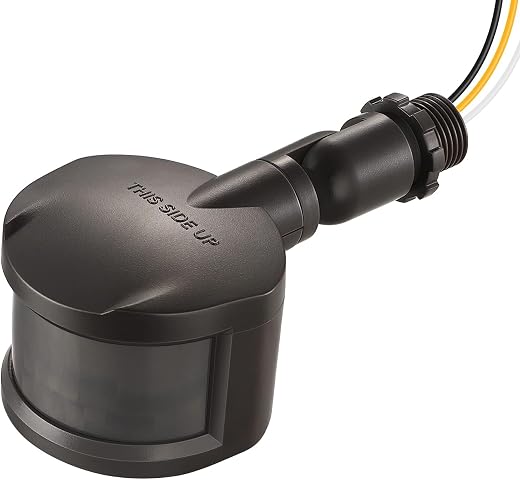
EDISHINE Motion Sensor vs. UL 180° Motion Sensor Comparison
When it comes to enhancing home security and convenience, motion sensors play a vital role in our everyday lives. Two popular options in this arena are the EDISHINE Motion Sensor and the UL 180° Motion Sensor. Both devices offer unique features that cater to different needs and preferences. In this comparison, I’ll delve into their specifications, performance, and usability to help you decide which one might be the better fit for your home.
Security Lighting
The EDISHINE Motion Sensor offers versatile control with three modes and an adjustable detection range up to 60 feet, ensuring effective security monitoring. Its easy installation and customizable settings make it a cost-effective replacement for standard motion detectors in various outdoor and indoor applications.
Security Lighting

The Motion Sensor offers three versatile modes for enhanced security, with adjustable settings for time and sensitivity that cover up to 60 feet and a 180-degree range. It’s a cost-effective solution for upgrading existing fixtures and comes with easy installation and a reliable 2-year warranty.
EDISHINE Motion Sensor
Color
Brown
Weight
0.33 Pounds
Adjustable Delay Time
0 to 10 minutes
Sensor Adjustable Range
180° vertically, 360° horizontally
Warranty
Not specified
UL 180° Motion Sensor
Color
White
Weight
5 Ounces
Adjustable Delay Time
10 seconds to 10 minutes
Sensor Adjustable Range
180° vertically, 300° horizontally
Warranty
2-year warranty
EDISHINE Motion Sensor
UL 180° Motion Sensor
EDISHINE Motion Sensor
UL 180° Motion Sensor
Side-by-side comparison

Unique Selling Points (USPs)


EDISHINE Motion Sensor
- Color Variety: The brown finish blends well with outdoor settings, such as wooden fences or natural landscapes.
- Sturdy Build: Designed to withstand harsh weather conditions.
- Wide Detection Angle: Offers a broad coverage area for security.
Motion Sensor (White)
- Sleek Design: The white finish is modern and fits seamlessly with contemporary home aesthetics.
- Reliable Performance: Proven performance with adjustable settings to match user preferences.
- Versatile Use: Great for various applications, including commercial and residential settings.
Similarities


- Both sensors have a detection range of up to 60 feet.
- Each model features adjustable time and detection sensitivity settings.
- They come with three working modes for enhanced functionality.
- Both products are UL Listed, ensuring safety and reliability.
Pros & Cons
EDISHINE Motion Sensor
- Pros:
- Blends well with natural surroundings.
- Durable design for outdoor use.
- Easy to install with user-friendly instructions.
- Cons:
- Limited color options compared to the white model.
Motion Sensor (White)
- Pros:
- Aesthetic appeal with a modern look.
- Versatile for different environments.
- Same high-quality performance as the brown model.
- Cons:
- May stand out more in natural settings.
Use Cases
- EDISHINE Motion Sensor: Best suited for outdoor spaces where a natural look is preferred, such as gardens and pathways.
- Motion Sensor (White): Ideal for modern homes, garages, or commercial properties where a sleek design is desired.
Conclusive Assessment
In this comparison, both products have their strengths and cater to different aesthetic preferences. If you are looking for a motion sensor that blends seamlessly into a natural landscape, the EDISHINE Motion Sensor is the better choice. However, if you prefer a more contemporary look that fits well with modern architecture, the White Motion Sensor might be the way to go.
Final Summary
Both the EDISHINE Motion Sensor and the White Motion Sensor offer excellent features for enhancing security with their 180-degree detection, adjustable settings, and durable build. Your choice ultimately depends on your aesthetic preferences—go for brown if you want something that blends into natural surroundings, or choose white for a sleek, modern look. Regardless of your choice, both products are reliable and effective options for security floodlights.
Guidelines for Comparing Motion Sensors
When it comes to selecting the best motion sensor for your needs, it can be quite overwhelming given the variety of options available on the market. Here, we’ll outline some general guidelines and key factors to consider when comparing products like the EDISHINE Motion Sensor and the UL 180° Motion Sensor.
1. Detection Range
One of the most crucial features of a motion sensor is its detection range. This determines how far away it can detect movement.
- EDISHINE Motion Sensor:
- Generally offers a detection range of up to 30 feet.
- Ideal for larger spaces where motion detection is critical.
- UL 180° Motion Sensor:
- Typically has a 180° detection angle, covering a wide area.
- Best suited for entryways and large open spaces.
2. Sensitivity Settings
Sensitivity settings allow you to customize how the sensor responds to movement.
- EDISHINE Motion Sensor:
- Adjustable sensitivity levels to minimize false alerts.
- Suitable for environments with pets or frequent foot traffic.
- UL 180° Motion Sensor:
- Features a fixed sensitivity setting.
- May not be ideal if you need to adjust for varying conditions.
3. Power Source
Understanding how the motion sensor is powered can impact your overall experience.
- EDISHINE Motion Sensor:
- Usually battery-operated, which allows for flexible placement.
- Some models offer solar-powered options for outdoor use.
- UL 180° Motion Sensor:
- Often hardwired into electrical systems.
- Provides continuous power without battery changes but requires professional installation.
4. Installation Process
The ease of installation can make a big difference in your decision.
- EDISHINE Motion Sensor:
- Typically designed for DIY installation with user-friendly manuals.
- Can be mounted on walls or ceilings easily.
- UL 180° Motion Sensor:
- May require professional installation due to hardwiring.
- More complex but provides a permanent solution.
5. Additional Features
Look for extra features that may enhance your experience.
- EDISHINE Motion Sensor:
- Some models include integrated lights, enhancing visibility at night.
- Often comes with a warranty and customer support options.
- UL 180° Motion Sensor:
- May include smart technology for integration with home automation systems.
- Often features weatherproof designs for outdoor use.
6. Price Point
Evaluating the cost is essential to ensure you get the most value.
- EDISHINE Motion Sensor:
- Generally more affordable, making it a great option for budget-conscious buyers.
- UL 180° Motion Sensor:
- May be more expensive due to additional features and hardwiring requirements.
- Consider long-term cost benefits versus initial investment.
7. Customer Reviews and Reputation
Checking reviews can provide valuable insights into the product’s performance.
- EDISHINE Motion Sensor:
- Known for its reliability and positive customer feedback.
- Good track record for customer service.
- UL 180° Motion Sensor:
- Generally receives positive reviews, particularly for its coverage area.
- Some users have reported installation challenges.
Understanding Motion Sensor Technology
The key features of the EDISHINE motion sensor include:
- 180-Degree Detection: It offers a wide detection angle, allowing it to cover a large area effectively.
- Adjustable Time and Sensitivity: Users can customize the duration the light stays on after detecting motion, as well as adjust the sensitivity to motion, ensuring it works best for their specific environment.
- Detection Range: It has a detection range of up to 60 feet, making it suitable for various outdoor security applications.
- Three Working Modes: The sensor features three modes, allowing flexibility in how it operates based on the user’s needs.
- UL Listed: Being UL listed indicates that the product has been tested for safety and meets specific safety standards.
- Color Options: It comes in different colors, such as brown and white, allowing users to choose one that matches their existing fixtures.
These features make the EDISHINE motion sensor a practical choice for enhancing outdoor security lighting.
The UL 180° motion sensor and the EDISHINE motion sensor are both designed for similar applications, primarily serving as motion detectors for security floodlights. However, there are a few distinctions between them.
Firstly, the EDISHINE motion sensor is specifically branded and may come with unique features or design aesthetics that differentiate it from other UL-listed sensors. While both sensors offer a 180-degree detection range and adjustable time and sensitivity settings up to 60 feet, the EDISHINE model emphasizes its user-friendly features, such as three working modes, which can be tailored for different security needs.
Secondly, the color options might also differ. The EDISHINE model is available in brown, which could be a preference for some users based on their outdoor décor, whereas the other UL 180° motion sensor is offered in white.
Overall, while both serve the fundamental purpose of motion detection for security lighting, the choice between them might come down to brand preference, aesthetic appeal, and specific features that cater to individual needs.


About the Author: Oliver James


news via inbox
Stay updated with the latest tips and offers. Subscribe to our newsletter today!


I really appreciate the detailed breakdown! Can you expand a little on the installation process for both sensors? I’m a bit DIY challenged.
Absolutely! The installation for both sensors is straightforward, but I can provide step-by-step guidance in a follow-up post if you’d like!
I’ve been eyeing the UL 180° Motion Sensor. Does anyone know how well it performs in colder weather? I live in a pretty chilly area.
Thanks for your question! The UL 180° is designed to handle various weather conditions, but user experiences can vary. It’s worth checking reviews from people in colder climates!
Great comparison! I recently installed the EDISHINE Motion Sensor in my garage, and it works like a charm. It’s really bright and activates quickly. Anyone else tried it in a similar space?
For those looking for alternatives, I recently found the Ring Motion Sensor. It’s pretty versatile and can integrate with smart home systems. Anyone else tried it?
I’ve used a different brand, the Philips Hue Outdoor Sensor, which allows for great customization. It might be worth comparing with the ones here!
That’s a solid suggestion! The Philips Hue Outdoor Sensor has some neat features. I’ll look into adding it to future comparisons.
Real-life example: I put the EDISHINE Sensor in my entryway, and it’s been a lifesaver when my hands are full with groceries! Highly recommend it for anyone else in the same boat.
I’m curious about the sensitivity settings for both of these sensors. Can they be adjusted based on where you place them?
Thanks for the great info! I think I’m leaning towards the EDISHINE for its brightness, but I’d love a few more user reviews before I commit.
Glad you found the info helpful! I encourage you to check out some user reviews online; they often provide valuable insights on performance and durability.
I’ve had the UL 180° for about a year now, and I love it! The 180-degree range is super helpful for my outdoor patio. Anyone else using it for outdoor lighting?
That’s awesome to hear! The UL 180° is indeed popular for outdoor settings due to its wide coverage. It’s great for keeping patios safe and well-lit at night.
Can we get a side-by-side comparison of pricing? I’m trying to figure out which one gives the best bang for my buck.