

Did you know that a home burglary occurs every 30 seconds in the United States? That’s a staggering statistic that can leave anyone feeling vulnerable in their own space. I completely understand how unsettling it can be to think about the safety of your home and loved ones. That’s why I want to share some insights into home alarm monitoring. In this post, I’ll break down what home alarm monitoring is, why it’s essential for your peace of mind, and how to choose the right service for your unique needs. Let’s dive in and empower ourselves with the knowledge to keep our homes safe!



What is Home Alarm Monitoring?
Home alarm monitoring is a crucial aspect of modern security systems that helps homeowners protect their property and loved ones. It’s a service that continually supervises your alarm system, ensuring that any potential security breaches are promptly detected and addressed. Let’s delve into how this works, the components involved, and the essential role of monitoring services.
Basic Components of a Home Alarm System
A well-functioning home alarm system comprises a few key components that work together to ensure your safety. Here’s a breakdown of these essential elements:
Sensors
Sensors are the first line of defense in any home alarm system. They detect unauthorized entry or unusual activity. There are several types of sensors, including:
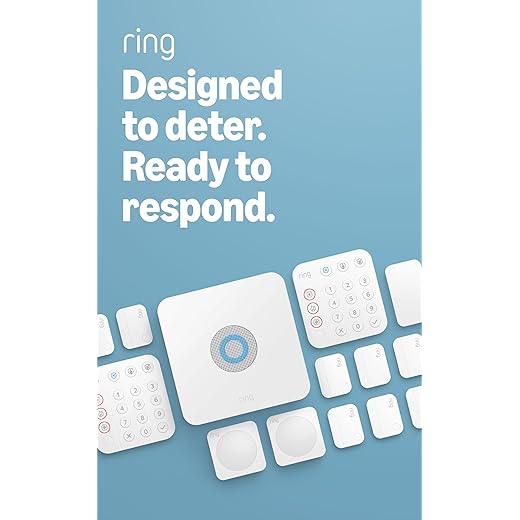
- Door/Window Sensors: These are placed on doors and windows and alert you when they are opened. Brands like Ring and SimpliSafe offer reliable door/window sensors that integrate seamlessly with their systems.
- Motion Detectors: These sensors monitor movement within a designated area. Products like the Nest Cam Indoor can detect motion and provide real-time video feeds.
- Glass Break Sensors: These detect the sound of glass breaking, providing an extra layer of security. The Honeywell 5800GlassBreak is a popular choice among homeowners.
Alarms
When a sensor is triggered, the alarm system sounds an alert to warn you of a potential breach. These alarms can be loud sirens or notification signals. Some systems, like the ADT Pulse system, also offer smartphone alerts, ensuring you’re informed no matter where you are.
Monitoring Center
The heart of home alarm monitoring is the monitoring center, often referred to as a central station. This is where trained professionals keep an eye on your system 24/7. When an alarm is triggered, the monitoring center receives the alert and takes immediate action, whether that’s contacting you or dispatching emergency services.
The Role of Monitoring Services
Monitoring services play a vital role in home security. Here’s how they function:
- Real-time Monitoring: Monitoring centers continuously track alarm signals from your system. For example, Frontpoint offers professional monitoring that ensures your home is safeguarded around the clock.
- Incident Verification: When an alarm goes off, the monitoring center often verifies if it’s a true emergency. They may contact you directly to confirm the situation before alerting authorities.
- Alerting Authorities: If a breach is confirmed, the monitoring service contacts local law enforcement or emergency responders. For instance, Vivint Smart Home provides rapid emergency response, ensuring that help arrives quickly when needed.
- Emergency Protocols: Monitoring services often have protocols in place for various scenarios, such as fire alerts or medical emergencies, ensuring a comprehensive response to any situation.
Benefits of Professional Monitoring Services
Choosing a professional monitoring service offers several advantages:
- 24/7 Protection: Constant supervision means that you’re always protected, even when you’re not at home.
- Quick Response Times: With professionals monitoring your system, help can be dispatched faster than if you were attempting to manage alerts yourself.
- Peace of Mind: Knowing that experts are watching over your home allows for greater peace of mind, especially when you’re away.
| Feature | DIY Monitoring | Professional Monitoring |
|---|---|---|
| Real-time Alerts | Yes | Yes |
| 24/7 Monitoring | No | Yes |
| Emergency Dispatch | No | Yes |
| Verification Process | Minimal | Comprehensive |
| Peace of Mind | Moderate | High |
By understanding the components and functions of home alarm monitoring, you can make informed decisions about how to best protect your home. Whether you choose a DIY system or a professional service, having a reliable alarm monitoring solution is essential for ensuring the safety of your home and family.
Types of Alarm Monitoring Services
When it comes to protecting your home or business, understanding the different types of alarm monitoring services is crucial. Each option has its unique features, advantages, and drawbacks, so let’s dive into the details to help you make an informed decision.
Professional Monitoring
Professional monitoring is perhaps the most traditional and reliable option for alarm services. With this type of service, trained professionals monitor your alarms 24/7. When an alarm is triggered, these professionals take immediate action, often contacting the authorities on your behalf.
Pros:
- Immediate Response: Alarm signals are sent directly to a monitoring center, ensuring swift action.
- Expert Handling: Trained professionals assess alerts and determine the appropriate response.
- Peace of Mind: Knowing that experts are monitoring your property can significantly reduce anxiety.
Cons:
- Cost: Professional monitoring typically incurs a monthly fee, which can range from $15 to $60 or more, depending on the service provider.
- Contractual Obligations: Many services require long-term contracts, sometimes locking you in for several years.
Example:
Companies like ADT and Vivint are well-known for their professional monitoring services. ADT, for instance, offers a range of packages starting around $36.99/month, with options for home automation and security cameras.
Self-Monitoring
Self-monitoring puts you in charge of your security system. While this option allows for more control and can save on costs, it also means you bear the responsibility for responding to alarms.
Pros:
- Cost Savings: Self-monitoring services are typically more affordable, often starting as low as $10/month.
- Flexibility: You can choose how and when to monitor your system, customizing alerts to your preferences.
- No Contracts: Many self-monitoring systems operate on a month-to-month basis, allowing for easy cancellation.
Cons:
- Delayed Response: If you’re not available, no one will respond to alerts, which can lead to potential security risks.
- Limited Support: Without professional oversight, the responsibility falls solely on you.
Example:
Systems like the Ring Alarm and SimpliSafe allow for self-monitoring options. Ring offers a free tier with basic features, while SimpliSafe provides a self-monitoring option for $14.99/month, including app alerts and customizable settings.
Hybrid Options
Hybrid alarm monitoring combines the benefits of both professional and self-monitoring services. This flexible approach allows you to monitor your home yourself while having the option for professional assistance when needed.
Pros:
- Best of Both Worlds: You can monitor your system personally while having professional help as backup.
- Customizable Response: Tailor how you want to react to alerts, with options to escalate to professionals if necessary.
- Cost-Effective: Many hybrid services offer competitive pricing without long contracts.
Cons:
- Complexity: Managing both self-monitoring and professional services can be complicated.
- Variable Response Times: Depending on your chosen plan, response times may vary.
Example:
Frontpoint and Abode are two brands that offer hybrid monitoring options. Frontpoint’s plans start at $34.99/month for professional monitoring, but they also provide a self-monitoring tier that you can upgrade to at any time. Abode allows you to self-monitor for free, with the option to switch to professional monitoring for $20/month.
Comparison Table of Alarm Monitoring Services
| Type of Monitoring | Pros | Cons | Example Brands |
|---|---|---|---|
| Professional Monitoring | Immediate response Expert handling Peace of mind | Higher cost Long-term contracts | ADT, Vivint |
| Self-Monitoring | Cost savings Flexibility No contracts | Delayed response Limited support | Ring Alarm, SimpliSafe |
| Hybrid Options | Best of both worlds Customizable response Cost-effective | Complexity Variable response times | Frontpoint, Abode |
Understanding these types of alarm monitoring services will empower you to choose the right level of protection for your home or business. Whether you prefer the reliability of professional monitoring, the autonomy of self-monitoring, or the flexibility of a hybrid approach, there are options available to suit your needs and budget.
Key Takeaways for Enhanced Security
In conclusion, grasping the ins and outs of home alarm monitoring is essential for boosting your home’s security. By exploring the various service options, weighing important factors when selecting a provider, and committing to regular system maintenance, you can make well-informed choices that best suit your needs. I encourage you to assess both your specific requirements and budget to pinpoint the perfect monitoring service for your home. Taking these steps will help ensure peace of mind for you and your loved ones.
Also Read: Blink Floodlight Camera vs. Ring Floodlight Cam Plus: A Comparison