

When it comes to keeping our homes and businesses safe, security cameras play a vital role. I know firsthand how important it is to have access to recorded footage, especially when you need evidence for an incident or just want to keep an eye on things. However, many people are often left wondering: how long does that footage actually last? In this blog post, I’ll dive into the various factors that influence the retention period of security camera recordings, so you can make informed choices about your surveillance system and ensure you’re always prepared when it matters most. Let’s explore this together!

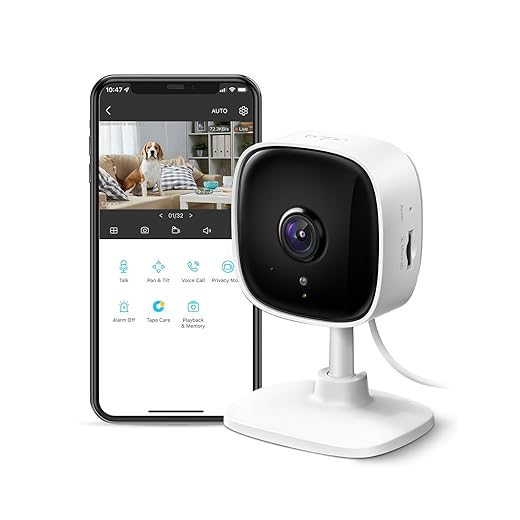


Factors Influencing Footage Retention
When it comes to security camera footage retention, several key factors come into play. Understanding these factors can help you make informed decisions about your security camera system and ensure that you have access to the footage you need when you need it. Let’s dive into the various elements that impact how long your security footage is stored.
Type of Storage Solution: Cloud vs. Local
One of the primary decisions you’ll face when setting up a security camera system is whether to use cloud storage or local storage. Each option has its benefits and drawbacks.
Cloud Storage
Cloud storage refers to storing footage on remote servers accessed via the internet. This option offers several advantages:
- Accessibility: You can access your footage from anywhere, as long as you have an internet connection.
- Scalability: Many cloud services, such as Ring and Nest, allow you to increase your storage capacity easily.
- Automatic Backups: Most cloud services automatically back up your footage, reducing the risk of data loss due to hardware failure.
However, cloud storage usually comes with a monthly or annual fee, and you need a reliable internet connection to access your footage.
Local Storage
Local storage, on the other hand, involves storing footage on physical devices such as DVRs (Digital Video Recorders) or NVRs (Network Video Recorders). Here are some key points:
- No Monthly Fees: Once you purchase the hardware, there are generally no ongoing fees.
- Data Control: You have complete control over your footage and can manage storage as you see fit. Popular local storage options include the Amcrest 8CH PoE NVR and Lorex 4K NVR.
- Security: Data is stored on-site, reducing the risk of hacking or data breaches.
However, local storage solutions can be susceptible to physical damage or theft.
Camera Resolution
The resolution of your security cameras plays a significant role in determining how much footage can be stored. Higher resolution means better image quality but also requires more storage space.
Understanding Resolutions:
- 720p (HD): A good balance between quality and storage space. Ideal for smaller areas.
- 1080p (Full HD): Offers crisp and clear images, but requires more storage. Cameras like the Wyze Cam v3 are popular choices for HD quality.
- 4K (Ultra HD): Provides stunning detail but consumes significantly more storage space. Models like the Arlo Ultra 2 may offer this resolution, but you’ll need ample storage capacity.
Example of Storage Needs:
- 720p: Approximately 30GB of storage is needed for one day of footage.
- 1080p: About 60GB for the same duration.
- 4K: Can exceed 250GB for just 24 hours!
Storage Capacity of the Device
The storage capacity of your camera system is crucial for determining how long footage can be retained. Most modern cameras and recorders come with a range of storage options.
Common Storage Capacities:
- MicroSD Cards: Typical capacities range from 32GB to 512GB. Cameras like the Blink Outdoor use these for storage.
- DVR/NVR Systems: These can support multiple hard drives. For instance, the Swann 8 Channel DVR can accommodate up to 8TB of storage, allowing for extensive footage retention.
Practical Example:
If a 2TB hard drive is used with a 1080p camera, you could retain approximately:
- 30 days of footage at lower frame rates (e.g., 15 fps)
- 10 days of footage at higher frame rates (e.g., 30 fps)
Recording Settings: Frame Rate and Quality
The settings you choose for recording can greatly affect how much footage can be stored.
Frame Rate
The frame rate determines how many frames are recorded per second. Common settings include:
- 15 fps: Sufficient for general surveillance in less busy areas.
- 30 fps: Provides smooth motion and is better for areas with more activity.
Quality Settings
Most cameras offer different quality settings, impacting storage needs:
- Low Quality: Saves space and is suitable for monitoring less critical areas.
- High Quality: Essential for identifying faces or license plates but requires more storage.
Comparison of Settings:
| Setting | Frames Per Second | Days of Storage (1TB) |
|---|---|---|
| Low Quality | 15 fps | Up to 30 days |
| Standard Quality | 30 fps | 10-15 days |
| High Quality | 60 fps | 5-7 days |
By carefully considering the type of storage solution, camera resolution, storage capacity, and recording settings, you can optimize your security camera system for effective footage retention. Each choice you make will directly influence how long you can keep important recordings, ensuring that you always have access to the footage you need.
Common Retention Periods
When it comes to security systems, retention periods play a crucial role in managing how long video footage is kept. Different types of systems have varying configurations and purposes, which significantly influence their retention policies. Understanding these common practices and regulations can help you make informed decisions about your security needs.
Commercial Security Systems
Commercial security systems are commonly designed to monitor larger areas, such as stores, offices, or warehouses. Due to their extensive coverage and potential legal implications, these systems typically have longer retention periods. Here are some common practices:
- Retention Period: 30 to 90 days
- Purpose: Protect property, deter theft, and provide evidence for investigations.
Example: Hikvision DS-7600 Series
The Hikvision DS-7600 Series is a popular choice for commercial security. This network video recorder (NVR) can store up to 16TB of video footage, allowing businesses to retain high-resolution recordings for a more extended period. Depending on the compression settings (like H.265+), businesses can manage their storage effectively while ensuring essential footage is available if needed.
Key Benefits:
- Longer retention helps in thorough investigations.
- Multiple camera support provides comprehensive monitoring.
Residential Security Systems
Residential systems typically cater to smaller areas and often prioritize user-friendliness. As such, these systems usually have shorter retention periods, primarily due to storage limitations and cost considerations.
- Retention Period: 7 to 30 days
- Purpose: Provide peace of mind and security against home invasions.
Example: Ring Video Doorbell Pro 2
The Ring Video Doorbell Pro 2 offers a convenient solution for homeowners. With a basic subscription, users can access video recordings for up to 60 days, but the default setting may only keep footage for around 30 days unless upgraded. This device allows users to monitor activity at their front door and access important footage when needed.
Key Benefits:
- Easy access to video footage via mobile app.
- Cost-effective storage solutions for homeowners.
Legal and Regulatory Considerations
Various laws and regulations can influence how long security footage is kept. For example, some jurisdictions may require businesses to retain footage for a specific period, particularly if the footage is related to a crime or incident.
Common Regulations:
- Federal Laws: No specific retention period, but businesses should comply with industry standards.
- State Laws: Some states dictate a minimum retention period for video surveillance footage, usually ranging from 30 to 120 days.
Comparison of Retention Periods
| Security System Type | Typical Retention Period | Examples of Products |
|---|---|---|
| Commercial | 30 to 90 days | Hikvision DS-7600 Series |
| Residential | 7 to 30 days | Ring Video Doorbell Pro 2 |
| Cloud-Based | Varies (check provider) | Arlo Pro 4 (30 or 60 days) |
Legal Considerations
When it comes to the retention of security footage, understanding the legal landscape is crucial. Different jurisdictions have varying requirements that can impact how long you must keep footage, especially depending on your industry. In this section, we’ll break down the key legal considerations surrounding security footage, including specific regulations, compliance requirements, and data protection laws.
Compliance Regulations by Industry
Certain industries are subject to stringent regulations that dictate how long security footage should be retained. Here are a few examples:
Banking Industry
In the banking sector, institutions like Wells Fargo or Bank of America often have to comply with the Bank Secrecy Act (BSA). This law requires that banks keep surveillance footage for up to five years in certain situations that pertain to anti-money laundering efforts. The retention period is essential for audits and investigations.
Key Points:
- Retention Period: 5 years
- Purpose: Anti-money laundering compliance
- Example: Footage from branch locations must be kept for the specified duration to assist in investigations.
Retail Sector
Retailers like Target or Walmart also face specific compliance requirements. The Payment Card Industry Data Security Standard (PCI DSS) suggests that security footage related to transactions should be retained for a minimum of one year.
Key Points:
- Retention Period: 1 year
- Purpose: Protect against fraud and ensure customer safety
- Example: Footage from checkout areas is often monitored for theft prevention.
Data Protection Laws
Data protection laws, such as the General Data Protection Regulation (GDPR) in Europe or the California Consumer Privacy Act (CCPA) in the United States, impose additional obligations on businesses regarding the handling and retention of personal data, including security footage.
GDPR
Under GDPR, businesses must ensure that any personal data captured through security cameras is processed lawfully and transparently. Security footage can be classified as personal data if it can identify an individual.
Key Points:
- Retention Principle: Data should not be kept longer than necessary.
- Transparency: Individuals should be informed about the recording.
- Example: A cafe using a Hikvision camera must post a sign that informs customers of video surveillance.
CCPA
The CCPA gives California residents the right to know what personal information is being collected and how it’s used, including any video surveillance data. Businesses must provide disclosures and allow consumers to opt out of the sale of their personal information.
Key Points:
- Consumer Rights: Right to know and access footage.
- Transparency Requirements: Disclosure on data usage.
- Example: A retailer using Nest Cam for store monitoring must inform customers about data collection practices.
Practical Steps for Compliance
To ensure compliance with legal requirements surrounding security footage retention, consider the following practical steps:
- Conduct a Compliance Review: Regularly assess your compliance with industry regulations and data protection laws.
- Establish Retention Policies: Define clear policies on how long footage will be retained based on legal requirements and business needs.
- Invest in Secure Storage Solutions: Use reliable systems, like the Arlo Pro 4, which offers secure cloud storage options to protect sensitive data.
- Implement Access Controls: Limit access to security footage to authorized personnel only, ensuring that data is protected against unauthorized access.
Summary of Retention Requirements
| Industry | Recommended Retention Period | Compliance Purpose |
|---|---|---|
| Banking | 5 years | Anti-money laundering |
| Retail | 1 year | Fraud prevention and customer safety |
| GDPR | As necessary | Lawful processing and transparency |
| CCPA | As necessary | Consumer rights to access data |
By understanding these legal considerations, businesses can better navigate the complexities surrounding the retention of security footage, ensuring compliance while also protecting their interests and those of their customers.
Key Takeaways on Footage Retention
In conclusion, the length of time security camera footage is stored hinges on various factors such as storage methods, legal guidelines, and personal preferences. By being mindful of these aspects, I can make informed decisions about my surveillance systems. It’s a good idea to periodically assess my footage retention policies to ensure they align with my needs and any legal requirements I may have. This way, I can effectively manage my security camera recordings and maintain peace of mind.