

Have you ever stopped to think about how much of your surroundings you truly see? Here’s a startling fact: the average human peripheral vision only captures about 180 degrees of our environment, while most security cameras can cover even less than that! This realization might make you reconsider how effective your security system really is.
In today’s blog post, I want to dive into the significance of Field of View (FOV) when it comes to security cameras, both indoors and outdoors. Whether you’re a homeowner looking to protect your family, a business owner safeguarding your assets, or just someone curious about how technology works, understanding FOV is crucial. Join me as we explore why this often-overlooked specification is a game changer in determining the effectiveness and suitability of security cameras for various applications. Let’s ensure you’re not missing any crucial angles!

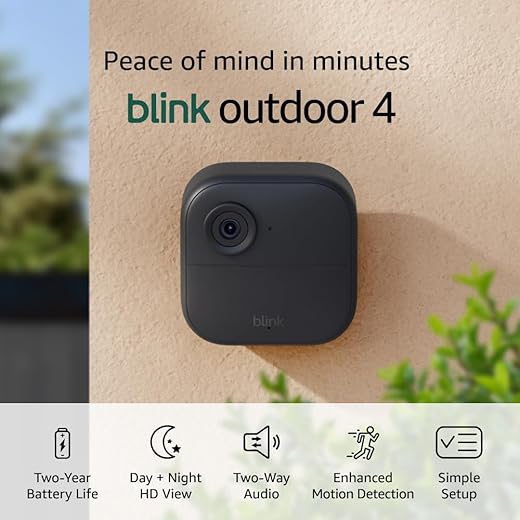


Understanding Field of View in Security Cameras
When choosing a security camera, one of the most critical aspects to consider is the Field of View (FOV). Understanding FOV can significantly impact how effectively your security system monitors an area. In this section, we will break down what FOV means, explore its technical aspects, and discuss how it affects the overall security coverage of your property.
What is Field of View?
In the context of security cameras, Field of View refers to the extent of the observable area that a camera can capture. It’s essentially the angle at which the camera can see, which is crucial for determining how much area can be monitored at any given time. A camera with a wider FOV can capture more of the surroundings, while a narrower FOV is more focused on a specific area.
Types of Field of View
Field of View can be categorized into three main types: horizontal, vertical, and diagonal FOV. Each plays a unique role in how a camera monitors its surroundings.
Horizontal FOV
- Definition: The horizontal FOV measures the width of the area that the camera can capture. It’s usually expressed in degrees.
- Importance: A wider horizontal FOV means that the camera can cover a broader area, reducing the number of cameras needed for comprehensive coverage.
Example: The Nest Cam IQ Outdoor, with a horizontal FOV of 130 degrees, can monitor a wide area of your yard, effectively capturing more details without needing multiple cameras.
Vertical FOV
- Definition: This measurement indicates how high or low the camera can see within its frame. Like horizontal FOV, it’s expressed in degrees.
- Importance: A vertical FOV is particularly important for monitoring entrances, such as doorways, where height can be an issue.
Example: The Arlo Pro 4 has a vertical FOV of 90 degrees, making it ideal for monitoring doorways and other vertical spaces.
Diagonal FOV
- Definition: Diagonal FOV combines both horizontal and vertical measurements into one number, providing a comprehensive view of the camera’s range.
- Importance: This FOV is often the most quoted specification as it gives a general sense of how large an area the camera can capture.
Example: The Ring Stick Up Cam boasts a diagonal FOV of 140 degrees, allowing it to cover a significant area both horizontally and vertically.
How FOV Affects Security Coverage
The FOV of a camera directly impacts the effectiveness of your security system. A camera with a narrow FOV may miss critical areas, while one with a wider FOV can capture more details, leading to better overall monitoring. Here are some implications for security coverage:
- Reduced Blind Spots: A wider horizontal FOV can help minimize blind spots around your property, meaning fewer gaps in coverage.
- Higher Detail: Cameras with a narrower FOV may provide higher resolution images of specific areas, which can be beneficial for identifying faces or license plates.
- Camera Placement: Understanding FOV helps in deciding where to place cameras. For example, if a camera has a 90-degree horizontal FOV, it should be positioned strategically to maximize coverage of key areas.
Practical Considerations
When selecting a security camera, it’s essential to consider how FOV aligns with your specific security needs. Here’s a quick comparison of popular models based on their FOV specifications:
| Camera Model | Horizontal FOV | Vertical FOV | Diagonal FOV | Ideal Use Case |
|---|---|---|---|---|
| Nest Cam IQ Outdoor | 130 degrees | 80 degrees | 150 degrees | Wide outdoor areas |
| Arlo Pro 4 | 160 degrees | 90 degrees | 180 degrees | Entryways and driveways |
| Ring Stick Up Cam | 140 degrees | 78 degrees | 140 degrees | General outdoor surveillance |
| Wyze Cam v3 | 110 degrees | 90 degrees | 120 degrees | Indoor monitoring |
Summary of Key Points
- Wider FOV = Broader Coverage: Choose cameras with wider horizontal FOVs for expansive areas.
- Narrow FOV = Detail: For areas requiring high detail, consider cameras with a narrower FOV.
- Placement Strategy: Utilize FOV specifications to determine optimal camera placement to eliminate blind spots.
Knowing the specifics of Field of View will empower you to make informed decisions about your security cameras, ensuring you choose the right models to protect your property effectively.
The Impact of FOV on Security Coverage
Field of View (FOV) is a critical factor in determining how effectively a security camera can monitor an area. Essentially, FOV refers to the extent of the observable world that can be seen at any given moment through the camera lens. Understanding how different FOVs can influence security coverage is key to maximizing the effectiveness of any surveillance system.
Wider FOV: Ideal for Expansive Areas
Benefits of a Wider FOV
Cameras with a wider FOV are particularly beneficial in large or open spaces. They can cover more ground and provide a broader view of the environment, which is essential for monitoring activities in expansive areas. Here are some scenarios where a wider FOV proves advantageous:
- Parking Lots: In a parking lot, a wider FOV can monitor multiple vehicles and pedestrian movements simultaneously. For instance, a camera like the Hikvision DS-2CD2185FWD-I, which boasts a 2.8mm lens, can cover a wide area while still maintaining image clarity.
- Large Rooms: In settings such as retail stores or large conference halls, a camera with a wide FOV can capture extensive areas without the need for multiple units. The Dahua IPC-HDW5831R-ZE is an excellent option here, offering a 2.7-12mm varifocal lens that can adjust to accommodate various room sizes.
Potential Risks of Wider FOV
While a wider FOV can be advantageous, it also comes with risks:
- Less Detail: Wider perspectives can sacrifice detail. For instance, while a camera may capture the entire parking lot, individual license plates may not be clear.
- Overlapping Footage: In some cases, multiple cameras with wide FOVs may overlap in coverage, leading to redundancy rather than enhanced security.
Narrower FOV: Focused Monitoring of Key Areas
Benefits of a Narrower FOV
In contrast, cameras with a narrower FOV are perfect for situations where focused surveillance is paramount. These cameras are designed to zoom in on specific areas, making them ideal for monitoring entrances or high-value assets. Consider the following scenarios:
- Specific Entrances: For monitoring entry and exit points, such as the front door of a retail establishment, a narrower FOV is beneficial. The Axis M3046-V is an excellent choice, featuring a 3.6mm lens that provides a clear view of anyone entering the building.
- High-Value Asset Areas: In environments where sensitive items are stored, such as server rooms or safes, a narrow FOV can ensure that these areas are under constant watch without distraction from surrounding spaces. The Bosch NBN-73023BA offers focused surveillance with its high-resolution imaging and narrower lens options.
Potential Risks of Narrower FOV
While narrow FOVs have their advantages, they too come with potential downsides:
- Limited Coverage: With a narrow focus, other critical areas may go unmonitored. For example, if a camera is fixated on a specific entrance, side exits may be vulnerable to unauthorized access.
- Blind Spots: A narrower FOV may lead to blind spots, particularly in complex environments like warehouses or multi-level buildings.
FOV Comparison Table
| Aspect | Wider FOV | Narrower FOV |
|---|---|---|
| Best Use Cases | Parking lots, large rooms | Entrances, high-value asset areas |
| Examples | Hikvision DS-2CD2185FWD-I, Dahua IPC-HDW5831R-ZE | Axis M3046-V, Bosch NBN-73023BA |
| Image Detail | Moderate detail; broader view | High detail; focused view |
| Coverage | Covers larger areas, potential overlap | Focused coverage, potential blind spots |
| Risks | Less detail, overlapping footage | Limited coverage, blind spots |
Choosing the Right FOV for Your Needs
When it comes to security camera systems, the field of view (FOV) is a crucial factor that can significantly impact your surveillance effectiveness. Selecting the right FOV involves understanding your specific security needs and considering various elements that influence camera performance. Here’s a detailed guide to help you navigate these choices.
Understand the Size of the Monitored Area
The first step in selecting the right FOV is to assess the size of the area you want to monitor. Larger spaces may require cameras with a wider FOV, while smaller areas might benefit from cameras with a more focused view.
Guidelines:
- Small Areas (e.g., entrances, hallways):
- Recommended FOV: 70-90 degrees
- Example Camera: Nest Cam Indoor, which provides a good balance of detail and coverage for small spaces.
- Medium Areas (e.g., parking lots, backyards):
- Recommended FOV: 90-120 degrees
- Example Camera: Ring Spotlight Cam, which is perfect for monitoring medium-sized outdoor spaces.
- Large Areas (e.g., warehouses, large retail stores):
- Recommended FOV: 120 degrees or wider
- Example Camera: Hikvision DS-2CD2385FWD-I, which offers a wide FOV ideal for expansive environments.
Level of Detail Required
The level of detail you need from your security footage can also dictate your FOV choice. A wider FOV may capture more area but can compromise the level of detail in the footage, especially at greater distances.
Considerations:
- High Detail Needed: If you need to identify faces or license plates, consider a narrower FOV with higher resolution.
- Suggested Camera: Axis P5635-E, which offers high-resolution imaging with a narrower FOV for detailed surveillance.
- General Monitoring: If the goal is simply to observe activities without needing high detail, a wider FOV is acceptable.
- Suggested Camera: Lorex 4K Ultra HD IP Camera, which provides a broad FOV while maintaining decent clarity across larger spaces.
Presence of Obstacles
Obstacles, such as trees, buildings, or furniture, can affect how effectively a camera can capture footage. When setting up your cameras, consider the layout of the area and potential obstructions.
Tips for Managing Obstacles:
- Positioning: Place cameras in locations where the FOV can be maximized without obstructions. Use wall mounts or pole mounts to get a better angle.
- Adjustable FOV Cameras: Consider cameras with adjustable lenses, allowing you to adapt the FOV based on real-time conditions.
- Example: Dahua PTZ Camera series, which offers pan-tilt-zoom capabilities to adjust the view based on specific needs.
Balancing FOV with Camera Resolution and Quality
While choosing an appropriate FOV is essential, it’s equally important to balance it with the camera’s resolution and overall quality. High resolution captures more detail, making it easier to identify people or objects.
Key Points for Balancing:
- High Resolution (e.g., 4K or above): Ideal for narrow FOV settings where detail is paramount.
- Standard Resolution (e.g., 1080p): Works well for wider FOV settings where the need for detail is less critical.
Example Camera Comparisons:
| Camera Model | FOV | Resolution | Best For |
|---|---|---|---|
| Nest Cam Indoor | 130° | 1080p | Small indoor areas |
| Ring Spotlight Cam | 140° | 1080p | Medium outdoor spaces |
| Hikvision DS-2CD2385FWD-I | 113° | 4K | Large outdoor areas needing detail |
| Axis P5635-E | 60° | 1080p | High-detail areas like entrances |
By understanding your monitored area, the level of detail required, and the presence of obstacles, you can make informed decisions about the FOV and its interaction with camera resolution and quality. By selecting the right combination, you’ll enhance your security setup and ensure it meets your specific needs.
Summarizing the Impact of Field of View on Experience
In conclusion, understanding the importance of field of view is crucial when selecting security cameras for any space. Throughout this post, I highlighted how a wider field of view allows for greater coverage, reducing blind spots and ensuring a more comprehensive surveillance solution.
I also discussed how the size of the area you need to monitor, along with your specific security needs, should guide your choice of camera. Whether you need a camera for a small home or a large outdoor facility, it’s essential to consider the technological options available, such as adjustable lenses and panoramic features. So, before making a decision, take time to evaluate your area and requirements to choose the best camera that meets your needs. Happy securing!