

Are you tired of constantly adjusting your thermostat, only to find that your home is either too hot or too cold? You’re not alone! In a world where comfort and energy efficiency are more important than ever, smart thermostats can be a game-changer for your home automation experience. In this blog post, we’ll dive into the best smart thermostats on the market today, evaluating their features, compatibility, and real user experiences. By the end, you’ll be equipped with all the information you need to choose the perfect thermostat that fits your lifestyle and keeps your home just the way you like it. Let’s get started!


Understanding Smart Thermostats
Smart thermostats are revolutionizing the way we manage our home heating and cooling systems. Unlike traditional thermostats, which require manual adjustments and lack connectivity, smart thermostats leverage technology to enhance energy efficiency and convenience. Let’s explore how these devices work, their key features, and how they stack up against their traditional counterparts.
What Are Smart Thermostats?
Smart thermostats are advanced devices that allow you to control your home’s heating and cooling systems remotely via a smartphone app or web interface. They are equipped with Wi-Fi connectivity, enabling real-time adjustments and monitoring from anywhere. Not only do they provide convenience, but they also offer valuable insights into your energy usage.
How Do Smart Thermostats Work?
At their core, smart thermostats operate similarly to traditional thermostats but with added intelligence. They connect to your home Wi-Fi network, allowing you to program and control them remotely. Some of the key functionalities include:
- Wi-Fi Connectivity: This feature allows you to control your thermostat from your smartphone, tablet, or laptop, giving you the freedom to adjust your home’s temperature whether you’re at work or on vacation.
- Mobile App Control: Most smart thermostats come with dedicated apps (like the Nest app for the Google Nest Learning Thermostat) that provide intuitive interfaces for setting schedules, changing temperatures, and reviewing energy usage.
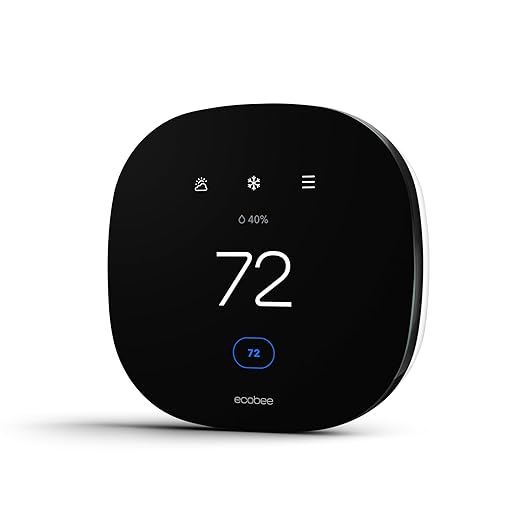
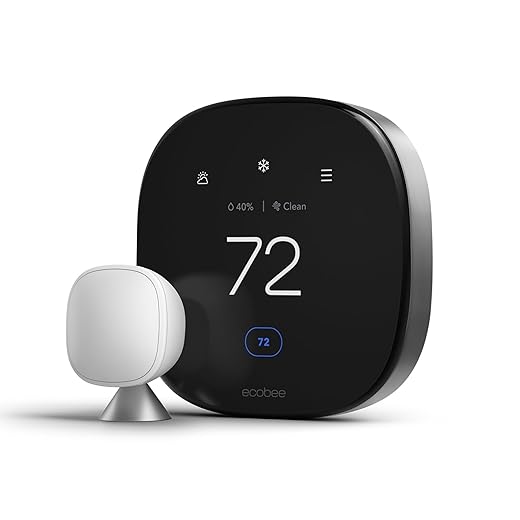
- Learning Algorithms: Some models, like the Ecobee SmartThermostat, use advanced learning algorithms to analyze your heating and cooling habits over time. They automatically adjust settings based on your preferences and routines, optimizing comfort while saving energy.
Benefits of Smart Thermostats
Switching from a traditional thermostat to a smart thermostat offers numerous benefits:
Energy Efficiency
Smart thermostats can significantly reduce your energy bills. By learning your schedule and adjusting temperatures accordingly, they prevent unnecessary heating or cooling. For example, the Honeywell Home T9 Smart Thermostat can detect when you’re home or away and adjust the temperature to save energy when the house is empty.
Remote Access
With mobile app control, you can easily adjust your home’s temperature from anywhere. If you’re heading home early from work, you can warm up the house before you arrive. The Emerson Sensi Touch Wi-Fi Thermostat allows for easy adjustments and comes with a user-friendly app that provides real-time updates.
Usage Reports
Many smart thermostats provide detailed energy usage reports that help you understand your consumption patterns. The Ecobee SmartThermostat not only tracks your heating and cooling usage but also provides tips for optimizing energy savings based on your habits.
Integration with Smart Home Devices
Smart thermostats can integrate seamlessly with other smart home devices. For instance, the Google Nest Learning Thermostat can work in conjunction with Google Assistant, letting you control your thermostat with voice commands. This connectivity enhances the overall functionality of your smart home.
User-Friendly Interfaces
Smart thermostats often feature large, easy-to-read displays that guide users through setup and programming. Models like the Ecobee SmartThermostat come with a touchscreen interface that simplifies navigation and customization.
Comparison of Smart Thermostat Features
| Feature | Google Nest Learning Thermostat | Ecobee SmartThermostat | Honeywell Home T9 |
|---|---|---|---|
| Wi-Fi Connectivity | Yes | Yes | Yes |
| Mobile App Control | Yes | Yes | Yes |
| Learning Algorithms | Yes | Yes | No |
| Energy Reports | Yes | Yes | Yes |
| Voice Control | Yes (Google Assistant) | Yes (Alexa, Google) | Yes (Alexa, Google) |
| Remote Sensor Capability | No | Yes | Yes |
| Touchscreen Display | Yes | Yes | Yes |
Popular Smart Thermostat Models
- Google Nest Learning Thermostat
- Features: Self-learning, energy history, remote control via app.
- Benefits: Automatically adjusts temperatures based on user behavior, great for energy savings.
- Ecobee SmartThermostat
- Features: Integration with smart home devices, remote sensors, voice control.
- Benefits: Offers comprehensive control and monitoring, making it a favorite for smart home enthusiasts.
- Honeywell Home T9 Smart Thermostat
- Features: Smart room sensors, mobile app control.
- Benefits: Provides flexible control of temperature in different rooms, ideal for larger homes.
In Summary
Smart thermostats are a smart investment for anyone looking to enhance their home’s comfort and energy efficiency. With features like Wi-Fi connectivity, mobile app control, and learning capabilities, they provide a level of convenience and efficiency that traditional thermostats simply cannot match. Embracing this technology not only simplifies temperature management but also contributes to a more sustainable approach to energy consumption. Whether you’re considering an upgrade or just curious about the technology, smart thermostats are definitely worth the attention!
Key Features to Look For in a Smart Thermostat
When choosing a smart thermostat, it’s essential to consider several key features that will enhance your home’s comfort and energy efficiency. Below, we break down the most important factors to keep in mind, along with practical examples to make your decision easier.
Compatibility with Heating and Cooling Systems
Not all smart thermostats work with every type of heating and cooling system, so you’ll want to verify compatibility before making a purchase. Here are some common types of systems and the smart thermostats that work well with them:
- Central Heating and Cooling Systems: Most smart thermostats, like the Nest Learning Thermostat and Ecobee SmartThermostat, are designed to work with central HVAC systems.
- Heat Pumps: If you have a heat pump, the Honeywell Home T9 is a great choice, as it supports both traditional and heat pump systems.
- Radiant Floor Heating: The Ecobee SmartThermostat also supports radiant heating systems, making it versatile for different setups.
Ease of Installation
A user-friendly installation process can save you time and hassle. Many smart thermostats offer straightforward installation guides or app support to help you set up your device without professional assistance.
- Nest Learning Thermostat: This model comes with a step-by-step installation guide that makes it easy to install within about 30 minutes, even for novices.
- Ecobee SmartThermostat: It also features helpful installation videos accessible through its app, allowing for a seamless setup experience.
User-Friendly Interfaces
The interface of a smart thermostat should be intuitive and easy to navigate. A user-friendly display can significantly enhance the overall experience.
- Nest Learning Thermostat: The sleek, circular design features a clear display that shows the current temperature and adjusts effortlessly with a simple twist.
- Honeywell Home T9: This model has a large touchscreen with clear icons, making it easy to understand and operate, even for those who aren’t tech-savvy.
Energy-Saving Capabilities
Energy efficiency is a primary reason for investing in a smart thermostat. Many models offer features that help reduce energy consumption while maintaining comfort.
- Ecobee SmartThermostat: This thermostat comes with occupancy sensors that detect when you’re home or away, allowing it to adjust the temperature accordingly and save energy when you’re not around.
- Nest Learning Thermostat: It learns your temperature preferences and creates a personalized schedule, which can lead to energy savings of up to 15% on heating and cooling bills.
Integration with Other Smart Home Devices
A smart thermostat should seamlessly integrate with your existing smart home ecosystem. Compatibility with other devices can enhance functionality and convenience.
- Amazon Alexa and Google Assistant: Both the Ecobee SmartThermostat and Nest Learning Thermostat work well with voice assistants, allowing you to control your thermostat with just your voice.
- Smart Home Hubs: The Honeywell Home T9 can integrate with various smart home platforms, including Samsung SmartThings and IFTTT, providing you with more automation options.
Comparison of Key Features
| Feature | Nest Learning Thermostat | Ecobee SmartThermostat | Honeywell Home T9 |
|---|---|---|---|
| Compatibility | Most HVAC systems | Most HVAC & heat pumps | Most HVAC & radiant heat |
| Installation | Easy (DIY) | Easy (DIY) | Easy (DIY) |
| User Interface | Intuitive (rotating) | Touchscreen | Touchscreen |
| Energy-Saving Capabilities | Learns habits | Occupancy sensors | Smart scheduling |
| Smart Home Integration | Alexa/Google Assistant | Alexa/Google Assistant | Samsung SmartThings |
By considering these key features, you can select a smart thermostat that not only meets your needs but also helps you optimize your home’s energy consumption and comfort.
Final Thoughts on Choosing Your Ideal Smart Thermostat
In conclusion, selecting the best smart thermostat for your home automation journey ultimately hinges on your unique needs and preferences, such as your budget, compatibility with existing devices, and the features that matter most to you. By weighing the factors outlined in this post, you can confidently choose a thermostat that not only elevates your living space but also helps you save on energy costs. Happy smart home planning!