

As a homeowner, I completely understand how important it is to feel safe and secure in your own space. With so much going on in the world, the idea of protecting our homes can feel overwhelming, especially if you’re just starting out. That’s why I’m excited to share some fantastic DIY home security kits that are perfect for beginners like us. These kits offer an affordable and effective way to bolster our home safety, giving us peace of mind without breaking the bank. Let’s dive in and find the right solution to keep our homes and loved ones safe!


2025’s Ultimate Guide to Home Security Systems

Understanding DIY Home Security Kits
In today’s world, ensuring the safety of your home has never been more important. DIY home security kits have emerged as a popular option for homeowners looking to take control of their security needs. But what exactly are these kits, and how do they stack up against traditional security systems? Let’s dive in!
What Are DIY Home Security Kits?
DIY home security kits are self-contained systems that allow homeowners to set up and manage their own security solutions without the need for professional installation. These kits typically include a variety of components that can be easily set up, customized, and monitored from the comfort of your own home.
Common Components of DIY Security Kits
Most DIY security kits come with several essential components, including:
- Cameras: Brands like Ring and Arlo offer indoor and outdoor cameras that provide real-time video feeds and motion detection alerts.
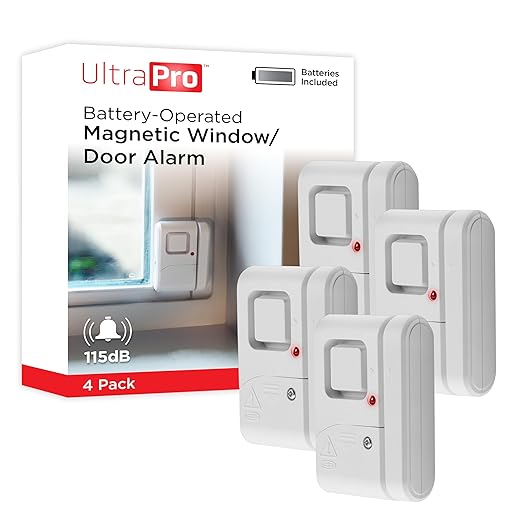
- Sensors: Door and window sensors notify you when a door or window is opened. Products like SimpliSafe and August Smart Lock are popular choices.
- Alarm Systems: These systems can sound an alert when a security breach is detected. Consider the Nest Secure or Abode Essentials Starter Kit for comprehensive features.
- Smart Hub: A central unit that connects all components. Many systems, like Ring Alarm, integrate easily with your smartphone or other smart devices.
- Mobile Apps: Most DIY systems come with user-friendly apps that allow you to monitor your home from anywhere, providing flexibility and control.
How DIY Kits Differ from Traditional Security Systems
Traditional security systems often require professional installation and ongoing monitoring services, which can be costly and complex. Here are a few key differences:
| Feature | DIY Home Security Kits | Traditional Security Systems |
|---|---|---|
| Installation | Do it yourself; easy setup | Professional installation required |
| Cost | Typically lower initial cost | Higher upfront and monthly fees |
| Monitoring | Self-monitored or optional | 24/7 professional monitoring |
| Customization | Highly customizable | Limited customization options |
| Contracts | No long-term contracts | Often requires lengthy contracts |
Benefits of Choosing a DIY Approach
Choosing a DIY home security kit comes with numerous advantages:
Cost Savings
One of the most attractive benefits of DIY security kits is the cost savings. Without the need for professional installation or ongoing monitoring fees, you can save a significant amount of money. For instance, a basic Ring Alarm Kit can be purchased for around $199, while a comparable traditional system might start at $300 with additional monthly fees.
Ease of Installation
Installation of DIY kits is generally straightforward. Most kits come with detailed instructions and user-friendly interfaces. For example, Arlo’s Pro 4 security camera can be set up in minutes, allowing you to start monitoring your home right away.
Flexibility in Customization
With DIY security kits, you have the flexibility to choose the components that best fit your needs. You can mix and match products from various brands. For example, you might pair August Smart Lock with Nest Cameras to create a tailored security solution that meets your specific requirements.
The Growing Trend of Smart Home Technology
The integration of smart home technology is an exciting trend in the world of DIY security. Many modern security kits are designed to work seamlessly with smart home ecosystems, allowing for enhanced functionality and control.
Smart Integration Examples
- Smart Speakers: Systems like Amazon Alexa and Google Assistant can be used to control your security devices with voice commands.
- IFTTT Integration: Platforms like IFTTT (If This Then That) allow for automation, such as turning on your lights if a security camera detects motion.
- Mobile Alerts: Brands such as Ring and SimpliSafe provide instant alerts to your smartphone when their sensors are triggered, keeping you in the loop no matter where you are.
Popular Smart DIY Brands
- Ring: Known for its video doorbells and robust security systems.
- Nest: Offers smart cameras and thermostats that can integrate with security solutions.
- Arlo: Specializes in high-quality security cameras with excellent features.
By embracing DIY home security kits, homeowners can enjoy peace of mind while also saving money and having the freedom to customize their security solutions. The combination of affordability, ease of use, and smart technology makes these kits an appealing choice for modern security needs.
Top DIY Home Security Kits for Beginners
When it comes to protecting your home, investing in a DIY home security kit can be an excellent choice for beginners. These kits provide an effective way to safeguard your space without the hassle of professional installation. In this section, we’ll explore some of the best DIY home security kits on the market, assessing their features, ease of use, and overall value for money.
1. Ring Alarm Security Kit
Overview
The Ring Alarm Security Kit is a popular choice for beginners due to its user-friendly setup and comprehensive features.
Features
- Ease of Installation: The kit can be set up in about 30 minutes with no tools required.
- Included Components: Base station, keypad, contact sensor, motion detector, and a range extender.
- Mobile App Connectivity: Full control via the Ring app, allowing live view of camera feeds, alerts, and system management.
- Additional Options: Can be integrated with Ring cameras and video doorbells.
Pros and Cons
| Pros | Cons |
|---|---|
| Intuitive app interface | Subscription required for video storage |
| 24/7 professional monitoring available | Some features require additional purchase |
| Affordable pricing with frequent discounts | Limited to Ring ecosystem for full functionality |
2. SimpliSafe Home Security System
Overview
SimpliSafe is well-known for its reliability and customizable systems, making it a great option for those new to home security.
Features
- Ease of Installation: Tool-free setup with clear instructions.
- Included Components: Base station, keypad, entry sensors, motion sensor, and optional camera.
- Mobile App Connectivity: The SimpliSafe app allows you to manage your system, view camera feeds, and receive alerts.
- Customization: Choose from various sensors and cameras to fit your home’s needs.
Pros and Cons
| Pros | Cons |
|---|---|
| No long-term contracts required | Higher upfront cost for additional sensors |
| Excellent customer service | Limited smart home integration |
| Easy to expand with additional devices | Some users report delay in alerts |
3. Abode Iota All-in-One Security Kit
Overview
The Abode Iota system is perfect for tech-savvy beginners who want a smart home experience alongside security features.
Features
- Ease of Installation: Simple setup process; can be done in under an hour.
- Included Components: All-in-one camera, motion sensor, and door/window sensors.
- Mobile App Connectivity: Access all features through the Abode app, including live streaming and notifications.
- Smart Home Integration: Works well with Amazon Alexa, Google Assistant, and other smart devices.
Pros and Cons
| Pros | Cons |
|---|---|
| All-in-one design minimizes clutter | Requires subscription for full features |
| Great for smart home enthusiasts | Some features may be complex for beginners |
| High-quality video resolution | Limited compatibility with older devices |
4. Wyze Home Security System
Overview
For those on a budget, the Wyze Home Security System offers exceptional value without compromising on features.
Features
- Ease of Installation: Quick and easy DIY setup.
- Included Components: Wyze Cam, motion sensor, door/window sensors, and the hub.
- Mobile App Connectivity: The Wyze app allows for remote monitoring and alerts.
- Affordability: Very competitive pricing, especially for a starter kit.
Pros and Cons
| Pros | Cons |
|---|---|
| Incredibly affordable | Limited customer support |
| High-quality cameras for the price | Some features may lag in performance |
| Regularly updated software | Basic features compared to others |
5. Yale Smart Home Security System
Overview
Yale offers a solid option for those who prioritize smart home integration in their security systems.
Features
- Ease of Installation: Quick setup with straightforward instructions.
- Included Components: Smart hub, door/window sensors, motion sensors, and smart locks.
- Mobile App Connectivity: Manage the system via the Yale app, with control over locks and monitoring.
- Smart Home Integration: Works seamlessly with Google Assistant and Amazon Alexa.
Pros and Cons
| Pros | Cons |
|---|---|
| Excellent smart lock integration | Higher price point |
| Strong customer reviews | Requires a subscription for full features |
| Easy to expand with additional Yale products | App usability can be improved |
Summary Table of Features
| Kit Name | Ease of Installation | Included Components | Mobile App Connectivity | Price Range |
|---|---|---|---|---|
| Ring Alarm | Easy | Base station, sensors, detector | Yes | $199 and up |
| SimpliSafe | Easy | Base station, sensors, camera | Yes | $229 and up |
| Abode Iota | Moderate | All-in-one camera, sensors | Yes | $199 and up |
| Wyze Home | Very Easy | Cameras, sensors, hub | Yes | $99 and up |
| Yale Smart Home | Easy | Hub, sensors, smart locks | Yes | $250 and up |
With so many options available, beginners can find a DIY home security kit that fits their specific needs and preferences. Each of these systems provides unique features and benefits, making it easier than ever to secure your home without breaking the bank.
Securing Your Home Made Simple
In conclusion, choosing the right DIY home security kit is a crucial step in ensuring your home’s safety and peace of mind. Throughout this post, I highlighted various options tailored to different needs and budgets, emphasizing key factors like ease of installation, features, and customer support. I encourage you to take some time to weigh these options and find the perfect fit for your home. Remember, investing in a reliable security system is one of the best ways to protect what matters most to you. So why wait? Take that first step towards securing your home today!