
Necto Cellular Monitor vs. Temp Stick Sensor: Which Wins?
In the ever-evolving landscape of temperature monitoring, two popular options stand out: the Necto Cellular Monitor and the Temp Stick Sensor. Both devices promise reliable temperature tracking, but they cater to slightly different needs and preferences. As someone who’s explored the features of both, I’m excited to dive into a comparison that highlights their strengths and weaknesses, helping you choose the right solution for your specific requirements.
**Smart Monitoring

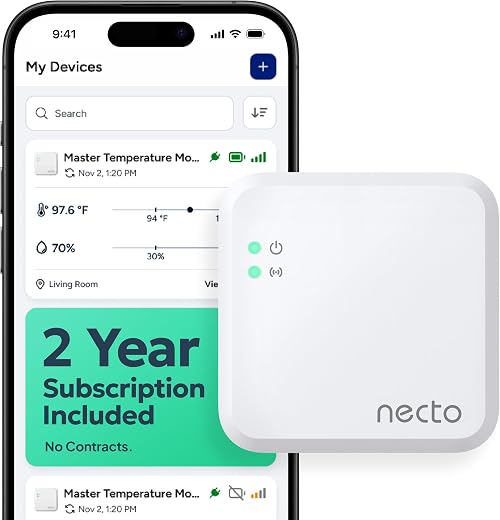
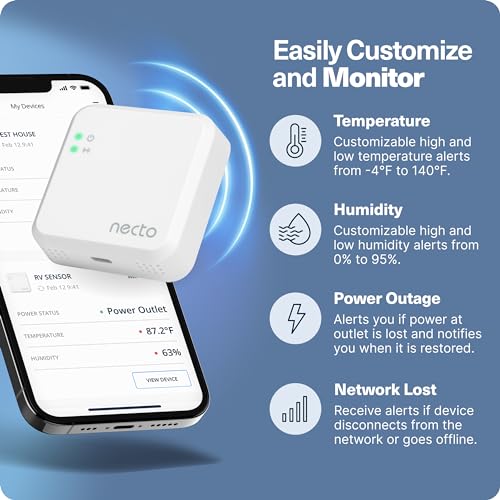
The Necto Cellular Temperature & Humidity Monitor offers two years of included cellular service without any monthly fees, making it a cost-effective solution for remote monitoring of your home, RV, or pets. With instant alerts for temperature, humidity, and power outages, it ensures continuous monitoring even during power interruptions, all accessible via an easy-to-use online portal.
Remote Monitoring
The Temp Stick Remote WiFi Temperature & Humidity Sensor offers hassle-free monitoring without any subscription fees, sending you unlimited text and email alerts to keep you informed 24/7. Made in America, it’s designed for long-lasting performance and integrates seamlessly with Alexa and IFTTT for added convenience.
Necto Cellular Monitor
Connectivity
4G LTE with 2 years of included service, no monthly fees, operates on AT&T and T-Mobile towers.
Power Source
Rechargeable internal battery with 3-day lifespan, continues to function during power outages.
Alert System
Customizable alerts via text and email, allows up to 5 contacts for notifications.
Data Logging
Stores readings for 1 year on servers, can be downloaded as CSV files.
User Experience
User-friendly online portal for monitoring and setup, requires no technical expertise.
Temp Stick Sensor
Connectivity
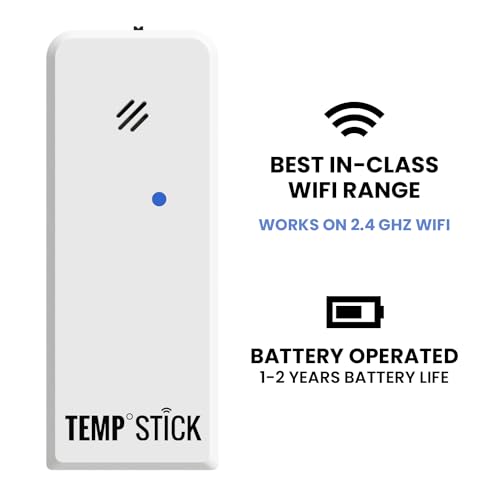
WiFi (2.4 GHz only), requires stable internet connection and does not work with public networks.
Power Source
Operates on 2 AA batteries with a lifespan of 1-2 years, no need for recharging.
Alert System
Unlimited text alerts and customizable thresholds, offers automated email reports and multiple alert settings.
Data Logging
Logs data continuously, uploads up to one month of stored data upon reconnection, supports API access.
User Experience
Compatible with Alexa and IFTTT for home automation, offers free software updates and multiple user access.
Necto Cellular Monitor
Temp Stick Sensor
Necto Cellular Monitor
Temp Stick Sensor
Side-by-side comparison

Unique Selling Points (USPs)

Necto Cellular Temperature & Humidity Monitor
- 4G LTE connectivity allows monitoring without WiFi.
- Ideal for remote applications such as RVs and greenhouses.
- Alerts for power outages and temperature changes sent directly to your phone.
Temp Stick Remote WiFi Sensor
- Works seamlessly with Alexa and IFTTT for smart home integration.
- Provides unlimited text, app, and email alerts for real-time updates.
- Made in America, ensuring quality craftsmanship.
Similarities
- Both devices do not require any monthly subscription fees.
- Both monitors provide real-time temperature and humidity data.
- Both come with alert systems that notify users of significant changes.
Pros and Cons
Necto Cellular Temperature & Humidity Monitor
- Pros:
- Excellent for locations without reliable WiFi.
- Versatile for various environments (RV, greenhouse, etc.).
- Cons:
- Moderate setup complexity may be a hurdle for some users.
- Not made in America.
Temp Stick Remote WiFi Sensor
- Pros:
- Easy setup and integration with smart home systems.
- Made in America, supporting local craftsmanship.
- Cons:
- Requires a stable WiFi connection, which may limit its use in remote areas.
Conclusive Assessment
There isn’t a clear, one-size-fits-all winner between the two products; both have intrinsic strengths depending on user needs:
- Necto Cellular Monitor excels in situations where WiFi isn’t available and is tailored for outdoor and mobile use.
- Temp Stick Remote WiFi Sensor is ideal for smart home setups, providing flexibility and ease of use with extensive alerting capabilities.
Final Summary
When choosing between the Necto Cellular Temperature & Humidity Monitor and the Temp Stick Remote WiFi Sensor, consider your specific needs. If you require monitoring in remote areas without WiFi, the Necto is the way to go. However, if you prioritize smart home integration and ease of setup, the Temp Stick would be the better choice. Both devices provide excellent monitoring capabilities, ensuring you’ll stay informed about your environment, wherever you are.
Guidelines for Comparing Remote Monitoring Devices
When it comes to choosing between remote monitoring devices like the Necto Cellular Monitor and the Temp Stick Sensor, there are several key factors to consider. This guide will help you outline the essential elements to evaluate, ensuring that you make an informed decision that meets your needs.
1. Purpose of the Device
Before diving into features, it’s important to clarify what you need the monitoring device for. Different devices cater to different uses.
- Temperature Monitoring: Ideal for environments like refrigerators, wine cellars, or server rooms.
- Humidity Control: Useful for basements or areas prone to moisture.
- General Monitoring: Some devices offer a combination of features.
2. Connectivity Options
Connectivity is a vital aspect that determines how you receive alerts and data.
- Wi-Fi vs Cellular:
- Wi-Fi: Generally less expensive but may require a stable internet connection.
- Cellular: More reliable in remote areas but typically incurs additional data costs.
- App Compatibility: Ensure the device works with a user-friendly app for easy access to real-time data.
3. Alert Systems
How the device alerts you about changes is crucial for effective monitoring.
- Real-Time Alerts: Look for devices that offer instant notifications via app, email, or SMS.
- Customizable Alerts: Choose devices that allow you to set specific thresholds for alerts.
4. Battery Life and Power Options
Power sources can affect the device’s reliability and your convenience.
- Battery Life: Longer battery life means less frequent replacements and maintenance.
- Power Options: Some devices may offer both battery and AC power options for flexibility.
5. Sensor Accuracy and Range
The accuracy of sensors is vital for reliable monitoring.
- Temperature and Humidity Accuracy: Check the specifications for accuracy ratings.
- Range of Sensors: Ensure the device can effectively monitor the intended area or environment.
6. Installation and Setup
Ease of installation can save you time and hassle.
- DIY Installation: Most devices should be easy to set up without professional help.
- Mounting Options: Consider devices that come with versatile mounting options.
7. Cost and Warranty
Budget is always a consideration when purchasing technology.
- Initial Cost vs Long-Term Value: Invest in a device that offers the best value for your needs.
- Warranty and Support: Look for manufacturers that provide solid warranties and customer support.
8. User Reviews and Ratings
Reading user experiences can provide insight into the device’s performance.
- Check Ratings: Look for devices that have high ratings and positive feedback.
- Common Issues: Pay attention to any recurring complaints or concerns from users.
9. Additional Features
Consider any extra features that may enhance the device’s functionality.
- Data Logging: Some devices offer historical data tracking for better analysis.
- Integration with Smart Home Systems: Compatibility with other smart devices can be a plus.
Your Questions on Remote Monitoring Devices Answered
The Necto Cellular Temperature & Humidity Monitor boasts several key features that make it stand out. First, it operates on a 4G LTE network, allowing for remote monitoring without the need for WiFi, which is perfect for locations like RVs or greenhouses. I appreciate that there are no monthly fees associated with its use, making it a cost-effective solution.
Additionally, the monitor comes equipped with a power outage sensor and temperature alerts, ensuring that I stay informed about any critical changes in my environment. The associated app provides real-time alerts and notifications, which I find incredibly helpful for monitoring conditions for my pets, home, or server room from anywhere. Overall, its user-friendly design and comprehensive monitoring capabilities make it a reliable choice for anyone looking to keep an eye on temperature and humidity levels.
Also read: How to install Vivint Smart Home Security System?


About the Author: Oliver James


news via inbox
Stay updated with the latest tips and offers. Subscribe to our newsletter today!


I personally prefer the Temp Stick Sensor. It’s been super reliable and I love the fact that it connects to Wi-Fi directly. No need for cellular service, which can save some bucks in the long run!
Great to hear you’re enjoying the Temp Stick! Direct Wi-Fi connection is definitely a plus for many users. Thanks for chiming in!
I’ve tried both the Necto and Temp Stick, but I stuck with Temp Stick. The app is pretty user-friendly and I love being able to track humidity too. Pro tip: make sure to check the battery life regularly!
Great tip! Battery life can sneak up on you. Thanks for your input on the Temp Stick – always nice to hear different perspectives!
I’ve been using the Necto Cellular Monitor for a few months now and honestly, it’s a game changer! Super easy to set up and the alerts keep me in the loop when I’m not home. Highly recommend it!
Thanks for sharing your experience! We’re glad to hear the Necto is working well for you. It really does make monitoring a breeze!
What about comparing the Govee Wi-Fi Thermometer with these two? I’ve heard great things about it too. Would love to see how it stacks up!
That’s a fantastic suggestion! The Govee Wi-Fi Thermometer has been gaining popularity. We’ll consider adding it to the next comparison post!
If you’re looking for a remote monitoring device, I’d say go for one with a solid app and good customer support. I had issues with one before and it was a nightmare getting help. Just my two cents!
Absolutely! Customer support can make or break the experience. Thanks for sharing such an important point!